
to leave a comment.
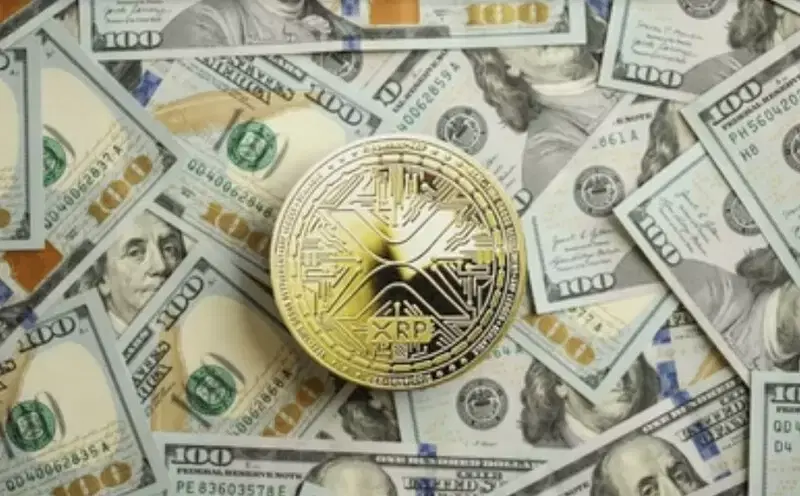
▲ XRP, Dollar (USD)
The debate surrounding how XRP can generate demand in the global payment system is intensifying once again. In an environment where the XRP Ledger is widely adopted as a payment infrastructure and settlements are conducted through the RLUSD stablecoin, an analysis suggests that XRP's value derives not from mere usage fees, but from its liquidity bridging function.
NewsBTC reported on the 9th that cryptocurrency analyst Iso Ledger sparked a debate within the crypto community by posing a question about the nature of XRP demand on X (formerly Twitter). Iso Ledger pointed out that if the world uses the XRP Ledger and settles with the RLUSD stablecoin, XRP would primarily act as a gas token. In this scenario, he argued, the key question is what factors would create real and sustainable demand for XRP.
Iso Ledger explained that the answer lies in bridging. Demand arises when XRP is used as a liquidity bridge between two currencies or assets that do not have a direct trading pair. He gave an example of a Japanese pension fund paying a Brazilian supplier, explaining that in the absence of direct liquidity, XRP could route value between OUSG and BRL stablecoins.
In this structure, XRP functions not merely as a means of paying fees, but as a neutral bridge asset connecting disconnected markets. Iso Ledger viewed XRP's demand as being generated through transaction flows, not just simple network usage.
However, he pointed out that there are more complex issues in XRP's long-term value model. If liquidity between all major currencies and stablecoins on the XRP Ledger becomes sufficiently deep and most direct trading pairs exist, XRP might not be necessary in the routing process. In this case, direct settlement paths could replace XRP, he explained.
Iso Ledger analyzed that this point creates tension in XRP's long-term value model. He argued that XRP either needs to become expensive enough to be practically used for large-scale institutional settlements, or it could remain at a low price of around $2, generating only minuscule fees amid low demand.
He identified XLS-66D, a proposed XRP Ledger-based lending protocol, as a potential solution to XRP's supply and demand issues. If XLS-66D acts to lock up XRP supply, the circulating supply could decrease, which could lead to an increase in XRP's price, strengthening its role as a settlement asset. He saw such a structure creating a feedback loop of increased adoption, long-term demand growth, and price appreciation.
As a conclusion to the debate, Iso Ledger posed the question of why institutions would create lending protocols, conduct $550,000 security audits, and establish XRP ETFs for a mere gas token. He also mentioned that Goldman Sachs invested $152 million in XRP, arguing that the market is underestimating XRP's evolving role within the global settlement system.
NewsBTC reported that Iso Ledger assessed XRP cannot be viewed as just a gas token, and its price has not yet reflected the bullish factors surrounding it.
*Disclaimer: This article is for investment reference only, and we are not responsible for any investment losses based on it. The content should be interpreted for informational purposes only.*
Newsletter
Get key news delivered to your email every morning
to leave a comment.