
to leave a comment.
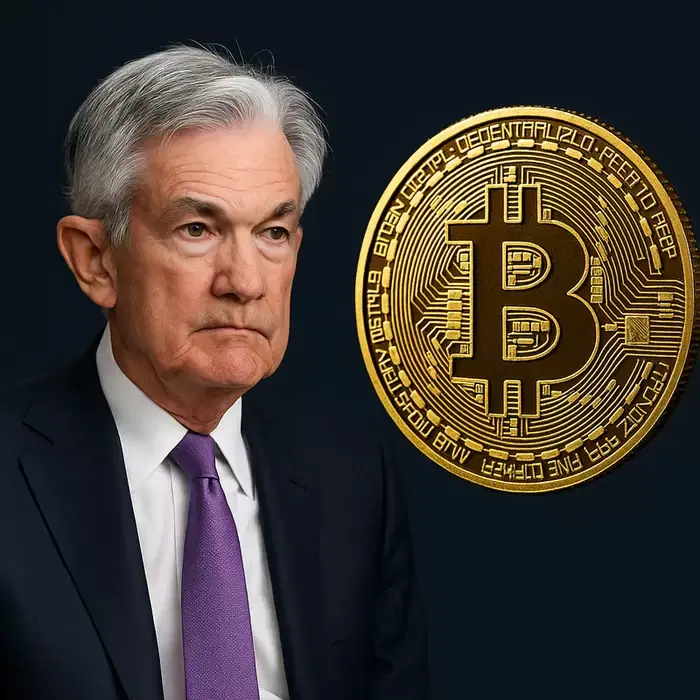
▲ Jerome Powell, Bitcoin (BTC)/ChatGPT generated image ©
The virtual asset market, having encountered the massive reef of the U.S. Federal Reserve's hawkish benchmark interest rate freeze, is sinking into the quagmire of a deep bear market, with investor fear reaching its peak.
According to CoinMarketCap, a cryptocurrency market aggregation site, as of 6:20 AM on April 30th, the global virtual asset market capitalization recorded $2.53 trillion, a 1.19% decrease from the previous day. The Fear and Greed Index, which indicates investor sentiment, has fallen to 39, reflecting the pervasive fear in the market. Bitcoin (BTC), the leading cryptocurrency, is trading at $75,848.19, down 0.66% from 24 hours ago, precariously holding the $75,000 mark. Ethereum (ETH), the leading altcoin, recorded $2,247.23, down 1.90%, while XRP (Ripple) fell to $1.36, Solana (SOL) to $82.83, and Dogecoin (DOGE) to $0.1023, all declining in unison, casting a strong bearish sentiment across the entire market.
The biggest negative factor weighing on the market is undoubtedly the monetary policy uncertainty of the U.S. Federal Reserve. On the 29th (local time), the Federal Open Market Committee (FOMC) froze the benchmark interest rate from 3.50% to 3.75%, as expected by the market. However, internally, three committee members—Beth Hammack, Neel Kashkari, and Lorie Logan—strongly opposed the inclusion of dovish-leaning language in the statement, which would signal monetary easing. The market interpreted this as a de facto hawkish hold and is quickly withdrawing from risk assets such as virtual assets.
Furthermore, the surge in international oil prices due to the prolonged war between the U.S. and Iran is rekindling inflation fears and stifling the market. With the difficulty in assessing when oil production will normalize after the war, predicting future inflation trajectories has become virtually impossible. In fact, major bank JPMorgan Chase released a shocking report suggesting that the Fed might not only freeze interest rates for the remainder of this year but could even raise them by 0.25 percentage points in the third quarter of next year, pouring cold water on market expectations for rate cuts.
The transitional period of Fed leadership change is also a key factor exacerbating market confusion. Current Chair Jerome Powell's term ends on the 15th of next month, and Kevin Warsh, the nominee for the next chair awaiting Senate confirmation, is expected to take the helm. However, Powell's decision to remain a board member until January 2028 has raised concerns about internal power struggles. Divergent views among President Donald Trump, who pressures for rate cuts, the new chair, who emphasizes the Fed's independence, and hawkish committee members, who insist on price stability, are fueling critical doubts about policy consistency.
Market experts diagnose that the virtual asset market will find it difficult to find clear rebound momentum until geopolitical crises are resolved and clear interest rate cut signals emerge. As long as sticky inflation concerns and internal discord within the Fed are not resolved, major virtual assets, including Bitcoin, are expected to find it difficult to avoid a grueling sideways-to-down market, heavily influenced by every macroeconomic indicator for the time being.
*Disclaimer: This article is for investment reference only, and we are not responsible for any investment losses based on it. The content should be interpreted for informational purposes only.*
Newsletter
Get key news delivered to your email every morning
to leave a comment.