
to leave a comment.
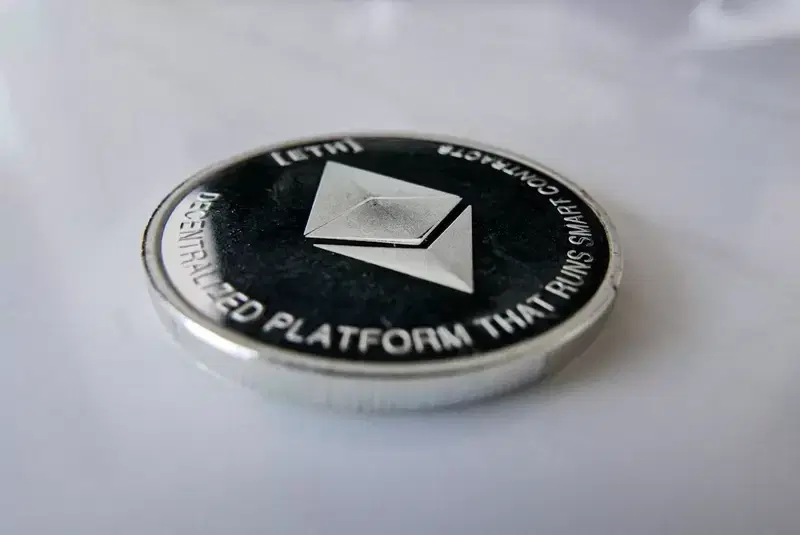
▲ Ethereum (ETH)
Ethereum (ETH) has been embroiled in rumors of its demise, losing market dominance and being pushed aside by Solana (SOL) and Bitcoin, but it is now laying the groundwork for a comeback through technological evolution and an influx of institutional funds.
According to a video uploaded to his YouTube channel on April 21 (local time) by crypto analyst Dan Gambarello, Ethereum has recently been overwhelmed by Solana in terms of profitability and user activity. As Solana increasingly surpasses Ethereum in the number of active addresses and decentralized exchange trading volume, a narrative that the era of Ethereum has ended has spread in the market. In particular, the price ratio against Bitcoin (BTC) has shown a long-term downward curve, leading to a prevailing assessment that its investment appeal has sharply decreased.
Ethereum's core strategy, Layer 2 scaling solutions, has paradoxically led to side effects that undermine the value of the mainnet. After the Dencun upgrade, Layer 2 gas fees decreased, but the mainnet's fee revenue sharply declined, worsening the ecosystem's profitability. As liquidity became fragmented across multiple chains, the entire ecosystem became fragmented, and the user experience became very complex compared to Solana, where all operations are resolved on a single chain, acting as a significant barrier to entry. The cumbersome bridging process for asset movement and the structural limitation of requiring separate wallet management for each chain are evident.
However, Ethereum is looking for an opportunity for a turnaround based on its strong fundamentals. Major institutions such as BlackRock have continued to pursue Ethereum spot ETF approvals and entry into the real-world asset tokenization market, paving the way for a large-scale influx of capital. The restaking craze, centered around EigenLayer, is a powerful driving force that strengthens network security and attracts new funds into the ecosystem. The trust of institutional investors and the enormous size of deposited assets remain barriers that other competing chains find difficult to overcome.
Ethereum is not simply stagnating but undergoing a massive evolutionary process through a long-term roadmap, including Danksharding. Maintaining the highest level of security and decentralization value in the cryptocurrency market is cited as a basis for its long-term survival. The current growing pains are an essential step to fundamentally solve scalability issues and be reborn as a true platform. Once technological advancement is complete, fragmented liquidity is likely to reintegrate, exerting powerful network effects.
Amidst fierce competition for dominance in the virtual asset ecosystem, Ethereum is preparing to establish itself as a mainstream asset. BlackRock's entry and the growth of the restaking economy prove that Ethereum is not just a coin but is becoming the backbone of the digital economy. Ethereum's move to set security standards will be a key variable determining the direction of the entire virtual asset market. The eyes of investors worldwide are focused on whether Ethereum will revive, combining technological evolution and institutional demand.
*Disclaimer: This article is for investment reference only, and we are not responsible for any investment losses based on it. The content should be interpreted for informational purposes only.*
Newsletter
Get key news delivered to your email every morning
to leave a comment.