
to leave a comment.
▲ Photo: AI-generated image
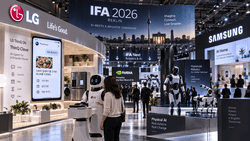
At IFA 2026, Europe's largest home appliance exhibition held in Berlin, Germany from the 4th to the 8th, a clear trend emerged where the focus of AI shifted from inside the screen to outside the screen. While AI in previous home appliance exhibitions remained as internal calculations within devices, such as image quality correction or washing/refrigeration optimization, this year, 'Physical AI,' which recognizes space with cameras and sensors and performs actual actions with robot arms or mobile bodies, emerged as the core theme of the exhibition.
LG Electronics unveiled 'ThinQ Clo', which adds executable agent functionality to its AI home platform 'LG ThinQ On'. It controls home devices remotely when requested as if conversing in messenger apps like KakaoTalk or Telegram, and executes commands by linking with external schedules such as calendars. It also includes a function that, when food photos or purchase receipts are entered, provides information or suggests recipes, considering family members' allergies identified in previous conversations. Samsung Electronics set up a separate exhibition space at Humboldt Carré in downtown Berlin to introduce AI home and business touchpoints.
The exhibition organizers announced that this year's IFA Next zone was expanded to become the largest humanoid robot showcase ever. Approximately 300 exhibitors gathered in this zone, and based on registration, over 900 Chinese companies, including specialized robot companies like Unitree and AgileX Robotics, participated. In Europe, companies like Neura Robotics showcased physical AI ecosystems and humanoid demonstrations. NVIDIA also participated this year, following last year, holding media sessions covering AI technologies related to creation, gaming, and Windows.
An industry official explained that after the advent of generative AI, the focus was on how many AI features were included in home appliances, but since last year's IFA, 'AI Home Solutions' that connect these individual functions into one have become the central theme. It is evaluated that while Korean companies are prioritizing home appliance competitiveness, China is accelerating humanoid mass production, and Europe is focusing on robot engineering and ecosystem building, making the distinct competitive landscape clear.
Newsletter
Get key news delivered to your email every morning
to leave a comment.