
to leave a comment.
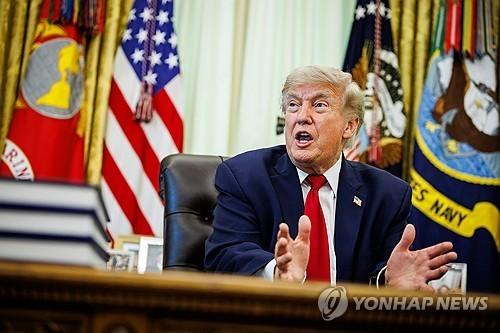
Trump, through proclamation, states "Commerce Department and USTR must negotiate relevant agreements with trading partners"
The U.S. Donald Trump administration has concluded its Section 232 investigation into civilian aircraft, jet engines, and related parts, but has decided not to impose immediate tariffs.
On the 9th (local time), President Trump signed a proclamation directing the Secretary of Commerce and the U.S. Trade Representative (USTR) to negotiate relevant agreements with trading partners to address concerns that imported civilian aircraft, jet engines, and related parts could impair U.S. national security.
The Commerce Department had previously submitted a report to President Trump after investigating the impact of imports of civilian aircraft, jet engines, and related parts on U.S. national security under Section 232 of the Trade Expansion Act.
Section 232 of the Trade Expansion Act allows the President to take import restriction measures if it is determined that imported products threaten U.S. national security. The U.S. has previously imposed tariffs on steel, aluminum, automobiles, and automotive parts based on this provision.
According to the White House, Commerce Secretary Howard Lutnick, in his report, determined that such imports pose a risk to U.S. national security but recommended to the President that instead of immediate tariffs, further discussions and negotiations be pursued with trading partners.
The White House explained that President Trump could take additional measures necessary to adjust imports of these products to address national security threats.
The White House stated that additional measures could be taken, particularly if a relevant agreement is not concluded within 180 days after the proclamation takes effect, or if a concluded agreement is not implemented or is deemed ineffective.
Newsletter
Get key news delivered to your email every morning
to leave a comment.