
to leave a comment.
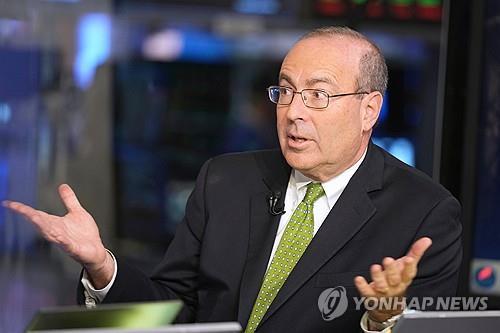
Richmond Fed President: "Consumption continues despite worsening sentiment... doubtful if it will be maintained even when limits are reached"
Thomas Barkin, President of the Federal Reserve Bank of Richmond, stated on the 21st (local time) that whether businesses and consumers can withstand the series of supply shocks that have occurred in recent years will determine the monetary policy response of the Federal Reserve (Fed).
In a speech at a public event in Raleigh, North Carolina, Barkin diagnosed whether the Fed could afford to observe recent supply shocks and pass without raising interest rates, saying, "Ultimately, it comes down to how well businesses, consumers, and inflation expectations can withstand."
Barkin noted that consumers have continued to spend despite consumer sentiment indices recording all-time lows, adding, "It's questionable whether consumers will maintain their willingness to spend even when real wage growth slows, tax refunds decrease, and affordable alternatives reach their limits."
While diagnosing that inflation expectations have risen somewhat recently due to rising oil prices but are still well anchored, he said, "With inflation exceeding the target (2%) for over five years now, we need to ask ourselves if there's a risk that the cumulative effect of repeated waves could loosen the anchor (that holds inflation expectations)."
However, Barkin also noted that new technological innovations such as artificial intelligence (AI) could have a positive impact on the US economy.
He said, "As we've seen with the development of e-commerce, we should never underestimate technology's potential to create new demand, reduce costs, and generate new sources of supply."
Although Barkin does not have a voting right on the Federal Open Market Committee (FOMC) this year, his remarks came as many Fed officials changed their policy views towards not ruling out interest rate hikes.
The minutes of the April FOMC meeting, released the previous day, stated that "a number of participants emphasized that if inflation were to continue to run persistently above 2 percent, a move to a more restrictive stance of monetary policy would likely be appropriate."
As US President Donald Trump continues to press the Fed for interest rate cuts, Kevin Warsh, the next Fed Chair nominated by Trump, is scheduled to officially take office on the 22nd.
Newsletter
Get key news delivered to your email every morning
to leave a comment.