
to leave a comment.
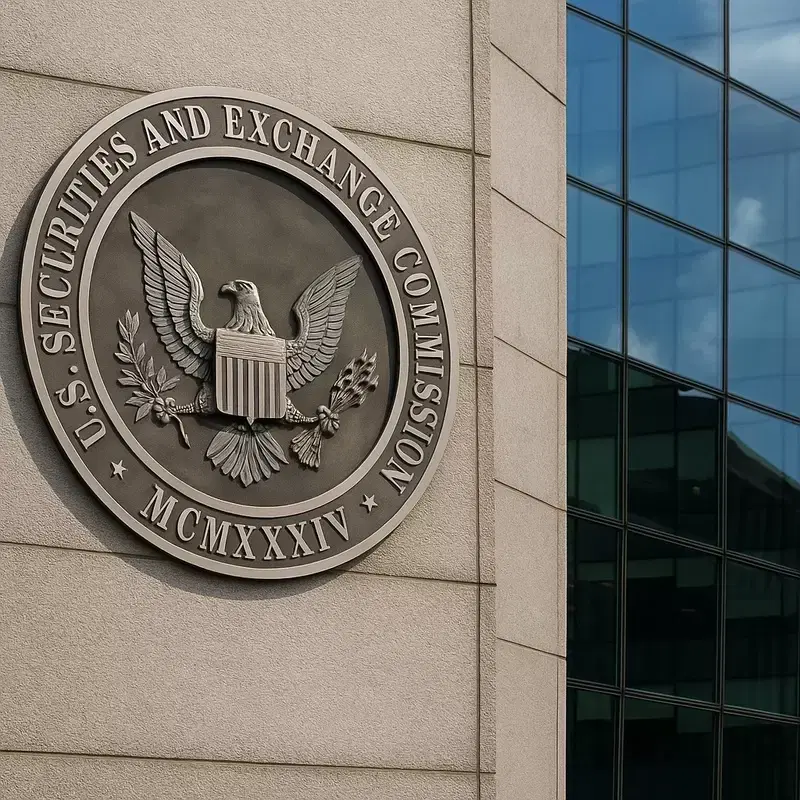
▲ U.S. Securities and Exchange Commission (SEC)/ChatGPT generated image
The U.S. Securities and Exchange Commission (SEC) has proposed easing the quarterly reporting obligation for listed companies to an optional semi-annual reporting system, which is expected to have a significant impact on virtual asset-related stocks.
Beincrypto reported on May 5 (local time) that the SEC proposed a rule amendment allowing listed companies to choose a new semi-annual report, Form 10-S, instead of the existing quarterly report, Form 10-Q. If this system is introduced, listed companies can fulfill their interim disclosure obligations by reporting twice a year instead of four times a year. The SEC's position is that companies and investors should be able to choose a reporting cycle that suits their business structure and information needs.
This proposal could be an attractive option for small and medium-sized listed companies as it can reduce regulatory compliance costs. Companies that choose the new Form 10-S will submit their reports within 40 to 45 days after the end of the first half of the year. Beincrypto, citing a petition from the Long-Term Stock Exchange, reported that preparing a quarterly report can cost over 1,000 hours and more than $100,000 per instance. Bitcoin (BTC)-related companies such as Strategy and Coinbase, as well as digital asset issuers, also bear audit and review costs every quarter.
However, concerns about weakened transparency are as significant as the cost-saving effects. If the reporting cycle is reduced to semi-annual, investors will receive information about a company's financial status and business changes later. Especially for virtual asset-related companies, where the impact of highly volatile items such as Bitcoin holdings, trading volume, custodial assets, and regulatory risks is rapidly reflected, information gaps can act as a stock price discount factor.
Beincrypto pointed out that companies opting for semi-annual reporting may experience reduced analyst coverage, decreased trading volume, and wider bid-ask spreads. Reduced liquidity can lead investors to demand higher risk premiums, which can result in increased capital raising costs for mid-cap stocks and virtual asset-related stocks. It is suggested that companies choosing short-term cost savings may face a permanent valuation discount in the long run.
SEC Chairman Paul Atkins expressed the view that the market can be largely supplemented by voluntary disclosures and 8-K reports. He explained that the rigidity of current SEC rules has prevented companies and investors from determining the most appropriate interim reporting cycle themselves. On the other hand, those who prioritize investor protection worry that mandatory quarterly reporting is a key advantage of the U.S. market, and reducing it could weaken oversight of management.
This proposed rule will undergo a 60-day public comment period after being published in the Federal Register, then proceed to a final SEC vote. The key issue is whether voluntary disclosures and 8-K reports can sufficiently fill the gap left by mandatory quarterly reports. If this cannot be proven, virtual asset-related companies may pay the price of losing market confidence and liquidity instead of saving regulatory costs.
*Disclaimer: This article is for investment reference only, and we are not responsible for any investment losses based on it. The content should be interpreted for informational purposes only.*
Newsletter
Get key news delivered to your email every morning
to leave a comment.