
to leave a comment.
▲ Bitcoin (BTC)
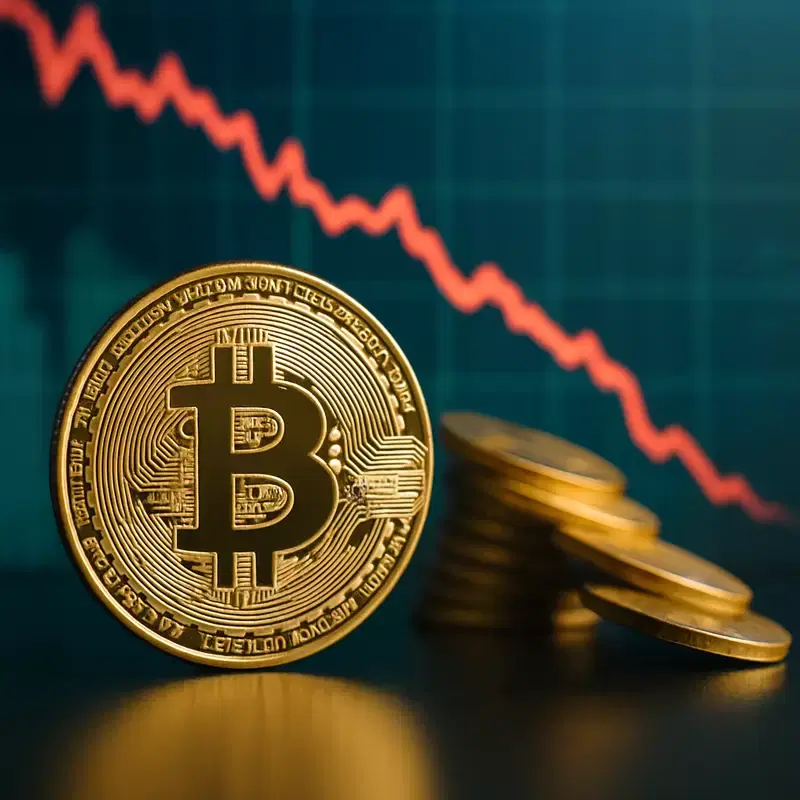
Bitcoin (BTC) rose 14% throughout April, reigniting the flame of a rebound. However, technical indicators are showing signs of a downside reversal, increasing the likelihood of entering a correction phase.
According to crypto media outlet NewsBTC on May 3 (local time), renowned market analyst Ali Martinez recently predicted the possibility of further price adjustments for Bitcoin based on TD Sequential data. Martinez explained that a trend exhaustion signal appeared on Bitcoin's 3-day chart, marking the first bearish reversal signal since 2026. As the buy signal in February successfully yielded a 32% return from $60,000 to $80,000, market attention is now focused on the reliability of this sell signal.
The results of this technical analysis suggest that a short-term price retreat could unfold within the next 3 to 12 days. Martinez set the initial target price at $67,500 if the decline materializes. If the price fails to stabilize at that point, the correction could deepen further. In this scenario, investors risk exposure to lower price levels between $40,000 and $50,000. However, Martinez made it clear that Bitcoin's macro structure remains in a bullish market.
Bitcoin is currently trading around $78,657, having slightly retreated after touching $79,000. While it shows a slight increase on the daily chart, daily trading volume has plummeted by 56%, indicating a noticeable decrease in market participation. This suggests that there isn't enough buying pressure to support the recent price surge. Bitcoin's market share in the overall cryptocurrency market stands at 60.4%, maintaining its position as the 11th largest asset by market capitalization globally.
To confirm a bullish market, the $80,000 resistance level must be decisively broken. The current price is approximately 37.85% lower than the all-time high of $126,100. Long-term investors should monitor the price reaction at the $67,500 support level as a key indicator for trend confirmation. With warnings from technical indicators coinciding with a decrease in trading volume, short-term market volatility is expected to increase further.
*Disclaimer: This article is for investment reference only, and we are not responsible for any investment losses based on it. The content should be interpreted for informational purposes only.*
Newsletter
Get key news delivered to your email every morning
to leave a comment.