
to leave a comment.
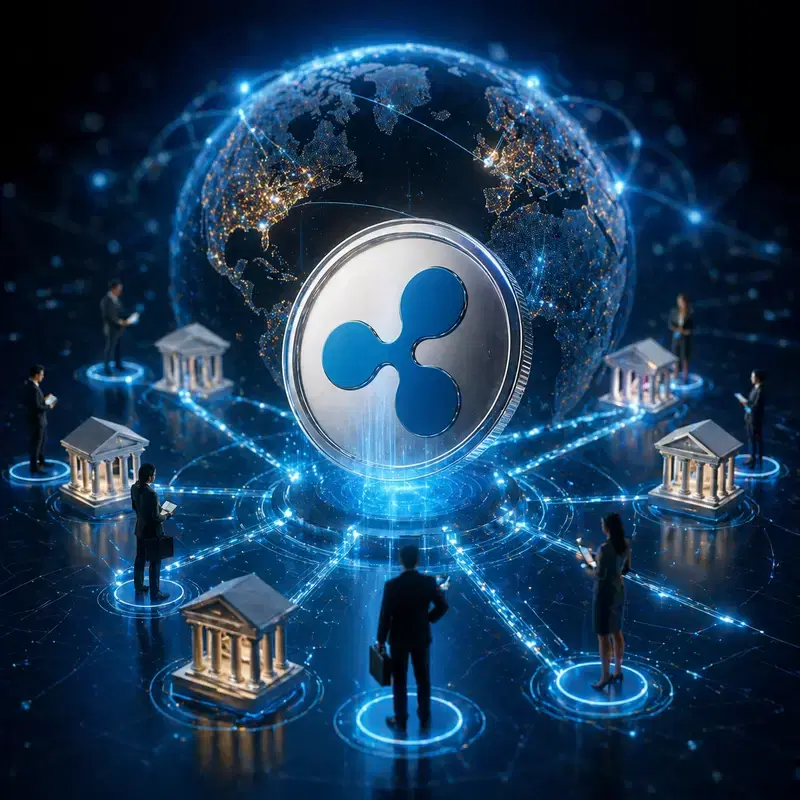
▲ XRP, Blockchain, Financial System/AI Generated Image
Ripple is integrating XRP into its corporate treasury management solution, 'Ripple Treasury,' signaling a shift in cross-border payment structures. As an environment where businesses can manage funds with digital assets without going through traditional banking networks is established, there is a possibility that not only efficiency will be improved, but also payroll payment methods will be reshaped.
The Crypto Basic reported on April 28 (local time) that Ripple Treasury supports businesses in managing their liquidity 24/7 in real-time. It explained that utilizing XRP as a bridge currency can significantly reduce costs and time incurred during cross-border currency exchange. Peggy Choi, Head of Product Marketing at Ripple, stated that XRP integration is a core foundation for instantly processing global fund movements.
These changes directly affect workers employed overseas. While traditional international remittance systems took several days to receive salaries, a digital asset-based structure allows processing within seconds. A reduction in intermediary bank fees is also expected to increase the actual amount received. For freelancers or overseas secondees, an environment is created to secure stable cash flow.
Remittance transparency is also enhanced. Since fund movement paths are recorded on a blockchain, uncertainty regarding delays or omissions is reduced. Businesses can build faster and more secure payment systems while meeting regulatory requirements, and employees can check the status of their salary in real-time.
Ripple is expanding its collaborations with global financial institutions and corporations, broadening the scope of Ripple Treasury's application. The XRP-based fund management system is seeing increasing adoption, particularly in emerging markets such as Southeast Asia and South America. Companies are expanding their use of digital assets to achieve both cost savings and operational efficiency, and related technologies are gradually becoming a core component of corporate financial infrastructure.
*Disclaimer: This article is for investment reference only, and we are not responsible for any investment losses based on it. The content should be interpreted for informational purposes only.*
Newsletter
Get key news delivered to your email every morning
to leave a comment.