
to leave a comment.
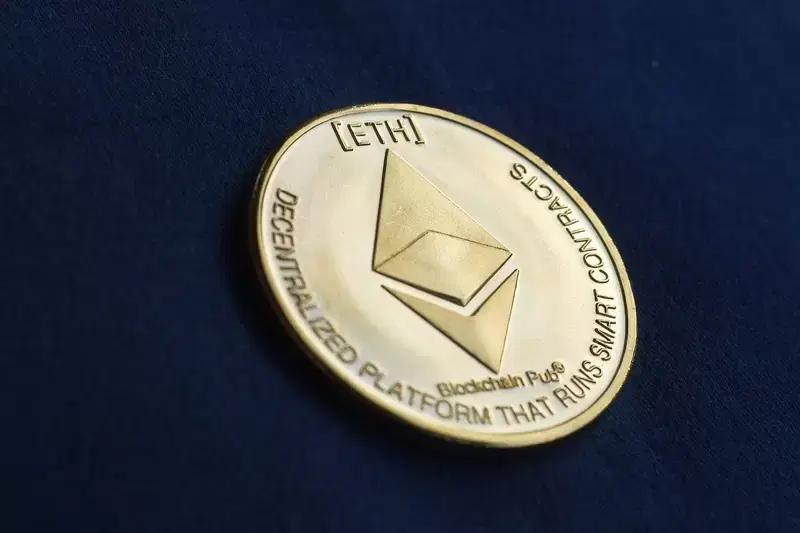
▲ Ethereum (ETH)
Ethereum (ETH) saw a price increase of about 10% in April. However, as the Ethereum Foundation has sold or liquidated some of its holdings, market questions are growing.
According to Cointelegraph, a cryptocurrency media outlet, on April 27 (local time), the recent rise in Ethereum's price, coupled with the detection of asset movements by the Foundation, has sparked debate among investors asking, 'Why are they selling now?'
The core issue is not the 'sale' itself, but rather the 'financial operating strategy.' The Ethereum Foundation has continuously utilized ETH for development funds and ecosystem support. In fact, the Foundation has regularly sold ETH in the past to cover annual operating costs of approximately $100 million, and recently, it has shifted its asset management strategy to combine staking yields.
The recent movement at the center of the controversy is a large-scale unstaking. The Foundation unstaked over 17,000 ETH to secure liquidity, which is valued at approximately $40 million. However, this is interpreted as a measure that opens up 'potential for sale' rather than an immediate sale.
The market interprets this movement from two perspectives. First, it is for securing operational funds or portfolio rebalancing. Releasing some staked assets to secure liquidity is a common financial management practice for non-profit foundations.
Second, it is a signal of short-term selling pressure. Unstaking is a preparatory step for assets to potentially enter the market, which can act as a burden during a price uptrend.
Indeed, the Foundation has previously sold some ETH during upward trends to secure operational funds, and analysis suggests that this current movement is likely in the same context. However, no large-scale movement to exchanges or actual sales have been confirmed yet.
Ultimately, the essence of this issue is less about being a 'negative factor' and more about differences in market interpretation of the Foundation's fund management methods. While the liquidation of Foundation holdings simultaneously with a price increase could heighten short-term volatility, the market accepts this as a structural variable, as it is an essential structure for maintaining and developing the network in the long term.
*Disclaimer: This article is for investment reference only, and we are not responsible for any investment losses based on it. The content should be interpreted for informational purposes only.*
Newsletter
Get key news delivered to your email every morning
to leave a comment.