
to leave a comment.
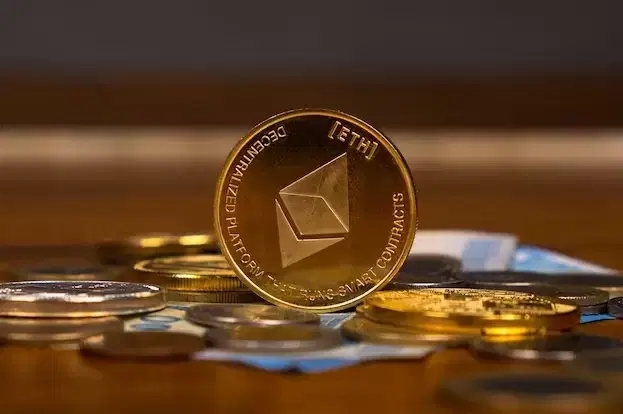
▲ Ethereum (ETH) ©Go Da-sol
Ethereum (ETH) is facing the Glamsterdam upgrade in October, which is considered the largest since The Merge in 2022. There are expectations that this upgrade, which addresses fundamental network bottlenecks from transaction parallel processing to restructuring the verification architecture, will simultaneously enhance scalability and security, thereby increasing the long-term value of ETH.
According to investment media outlet The Motley Fool on September 29 (local time), Glamsterdam is an upgrade that combines 'Amsterdam' from Ethereum's Execution Layer and 'Gloas' from its Consensus Layer. The Execution Layer handles functions directly used by users and developers, such as smart contracts, decentralized applications (DApps), and token transfers, while the Consensus Layer is responsible for network security and consensus among validators. The outlet assessed this upgrade as the biggest change since The Merge, which transitioned from Proof-of-Work (PoW) to Proof-of-Stake (PoS).
The core of Amsterdam is Parallel Processing. Instead of processing transactions sequentially as before, it will execute multiple transactions simultaneously and adjust the storage pricing mechanism to reduce network congestion. Gloas changes the structure to allow validators to directly construct blocks within the Ethereum core protocol without going through third-party relay software. This is expected to reduce reliance on external software, strengthen security during the verification process, and simultaneously shorten the critical time required for Block Propagation from the current 9 seconds to 2 seconds.
Notably, Glamsterdam differs from modular improvements made since The Merge in that it redesigns Ethereum's foundational architecture itself. The goal is to eliminate structural bottlenecks that have hindered developers from increasing the Gas Limit and to expand the gas limit to lower gas fees per transaction. Consequently, it is explained that developers and users will be able to use the network at lower costs, further enhancing Ethereum's Scalability.
The Motley Fool analyzed that such changes could positively impact ETH's value in the long term. It explained that since Ethereum transitioned to Proof-of-Stake and can no longer be mined like Bitcoin (BTC), expanding the developer and decentralized application ecosystem has become crucial. If more applications use ETH for transactions, token demand could also increase. The outlet noted that if Glamsterdam makes the network faster, cheaper, and structurally more secure, it could reduce developer attrition and strengthen Ethereum's ecosystem competitiveness in competition with fast Proof-of-Stake blockchains like Solana (SOL).
However, it drew a line on expectations that the upgrade would immediately lead to ETH reaching a new all-time high. At the time of writing, ETH was trading about 45% below its all-time high, and there's a possibility that the overall cryptocurrency market could be pressured as rising interest rates lead investors to move towards conservative assets. The Motley Fool focused on the long-term changes of resolving network bottlenecks and strengthening the developer ecosystem rather than Glamsterdam's short-term price effects. Ultimately, the analysis suggests that the core of this upgrade lies not in mere expectations, but in how effectively it can genuinely enhance Ethereum's scalability, security, and developer competitiveness.
*Disclaimer: This article is for investment reference only, and we are not responsible for any investment losses based on it. The content should be interpreted for informational purposes only.*
Newsletter
Get key news delivered to your email every morning
to leave a comment.