
to leave a comment.
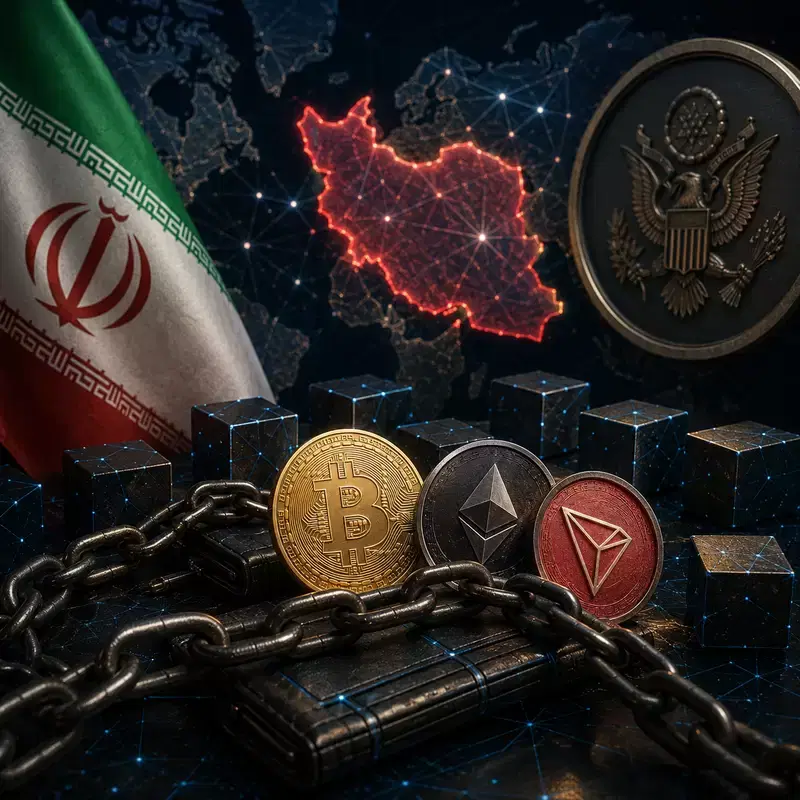
▲ Iran, U.S., Virtual Assets/AI Generated Image
The U.S. Treasury Department has imposed extensive sanctions targeting an Iran-linked virtual asset trading network to block payments for Iran's illicit oil trafficking and terrorist financing. This marks the first time the U.S. government has directly designated a virtual asset exchange as subject to Iran sanctions.
According to Benzinga on September 18 (local time), the U.S. Treasury Department's Office of Foreign Assets Control (OFAC) has added a virtual asset exchange and key individuals associated with it to the Specially Designated Nationals (SDN) list, alleging they laundered proceeds from Iranian oil sales and supported military financing. Treasury Secretary Scott Bessent emphasized, "The Iranian regime has exploited unregulated financial ecosystems and virtual assets to transfer illicit oil sale proceeds and support its military apparatus." The Treasury Department stated that this measure aims to completely block financial channels through which the Iranian regime attempts to evade international sanctions.
The primary target of these sanctions is an illicit financial network established by Iranian businessman Babak Zanjani. Zanjani was previously sentenced to death for embezzling billions of dollars in Iranian state oil funds but received a commutation in exchange for returning the illicit oil trafficking funds to the state. He established shell companies in places like Dubai and Turkey and directly founded virtual asset exchanges to launder funds for the Islamic Revolutionary Guard Corps (IRGC) and high-ranking regime officials.
The sanctioned exchange received payments for the circumvention of Iranian crude oil exports through shell companies, then converted these funds into various virtual assets, including the stablecoin Tether (USDT), and delivered them to entities within Iran and proxies abroad. The U.S. Treasury Department explained that the exchange served as a key money laundering conduit, bypassing the legitimate financial system. As a result of these sanctions, all their assets in the U.S. are frozen, and transactions with U.S. financial institutions and individuals are completely prohibited.
The U.S. government's latest action is interpreted as a strong warning that it will no longer tolerate attempts by state-backed entities to evade sanctions using virtual assets. Amid escalating tensions in the Middle East, including consideration of military strikes against Iran, this move tightens financial sanctions alongside military pressure.
Regulatory oversight of global virtual asset exchanges and blockchain companies is also expected to significantly intensify. As on-chain fund tracking technology advances, exchanges face increased obligations to comply with Know Your Customer (KYC) and Anti-Money Laundering (AML) regulations to prevent the inflow of illicit funds.
[Key Article Summary]
-The U.S. Treasury Department has swiftly sanctioned virtual asset exchanges and related individuals who facilitated Iran's illicit oil payments and military fund laundering.
-Treasury Secretary Scott Bessent stated that the Iranian regime's attempts to evade sanctions by exploiting regulatory blind spots and virtual assets would be blocked.
-With the complete freezing of U.S. assets belonging to the shell trading network involved with Babak Zanjani, pressure on the virtual asset industry to comply with Anti-Money Laundering (AML) regulations has intensified.
*Disclaimer: This article is for investment reference only, and we are not responsible for any investment losses based on it. The content should be interpreted for informational purposes only.*
Newsletter
Get key news delivered to your email every morning
to leave a comment.