
to leave a comment.
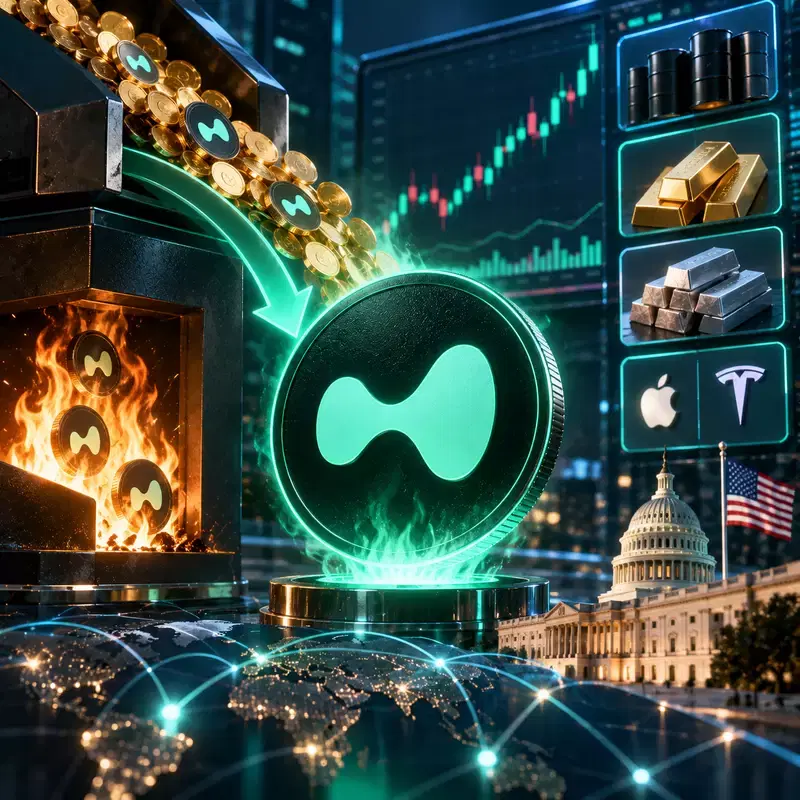
▲ Hyperliquid (HYPE)/AI Generated Image
Hyperliquid (HYPE) has positioned itself at the center of the 'cash flow token' debate in the cryptocurrency market by committing 97% of its transaction fees to token buyback and burning.
Lark Davis, host of the crypto podcast The Lark Davis Show, cited Hyperliquid's strong token return structure as a key competitive advantage in an episode on September 16 (local time). He explained that approximately 97% of transaction fees are used for HYPE buyback and burning, with the cumulative buyback amount reaching approximately $1 billion over the past 12 months. Davis added that Hyperliquid also handles the majority of on-chain perpetual futures trading volume.
The core of the bullish argument is a structure where increased trading volume directly leads to a decrease in HYPE supply. As fees flow into a support fund and that fund is used to buy back and burn HYPE, the more trading there is, the larger the buyback volume becomes. Davis stated that bulls evaluate Hyperliquid as "the clearest cash flow token" in the crypto market. Conversely, he pointed out that a slowdown in trading activity would also reduce fees and buyback funds, identifying this as the biggest weakness.
The business expansion axis is HIP-3, which broadens trading assets to include crude oil, metals, and stocks. Davis evaluated Hyperliquid as boasting an on-chain order book with speeds similar to centralized exchanges and deeper liquidity than competing platforms. However, he also introduced a counterargument that liquidity relies on market makers and arbitrage funds seeking fees and incentives. He noted, "There is no eternal loyalty to any platform in the crypto market," suggesting that trading volume could shift rapidly if conditions change.
Entry into the US market was presented as a critical variable for HYPE's long-term growth. Hyperliquid is pursuing a plan to provide CFTC-compliant perpetual futures products to US users by utilizing the existing Commodity Futures Trading Commission (CFTC) regulatory framework. However, concerns were raised that high leverage offered overseas and some HIP-3 markets might not be directly permitted in the US, and approval could take over a year. Legal disputes also remain regarding whether perpetual futures should be considered futures or swaps.
Davis summarized Hyperliquid's bullish logic as a "model combining a token buyback structure with Nasdaq." On the other hand, bearish arguments view the transaction volume-dependent token structure, limited number of validators, and unverified regulatory path in court as risks. He stated that the success or failure of US market entry could be a decisive variable for HYPE's future value, and that trading volume and regulatory outcomes would determine the sustainability of the token return structure.
[Key Article Summary]
-Hyperliquid committed approximately 97% of its transaction fees to HYPE buyback and burning, with the recent 12-month buyback volume reaching approximately $1 billion.
-While expanding its market to crude oil, metals, and stocks through HIP-3, its reliance on trading volume and a limited validator structure were pointed out as weaknesses.
-Davis analyzed that entry into the US regulated market is a critical variable determining HYPE's long-term growth and the sustainability of its token buyback structure.
*Disclaimer: This article is for investment reference only, and we are not responsible for any investment losses based on it. The content should be interpreted for informational purposes only.*
Newsletter
Get key news delivered to your email every morning
to leave a comment.