
to leave a comment.
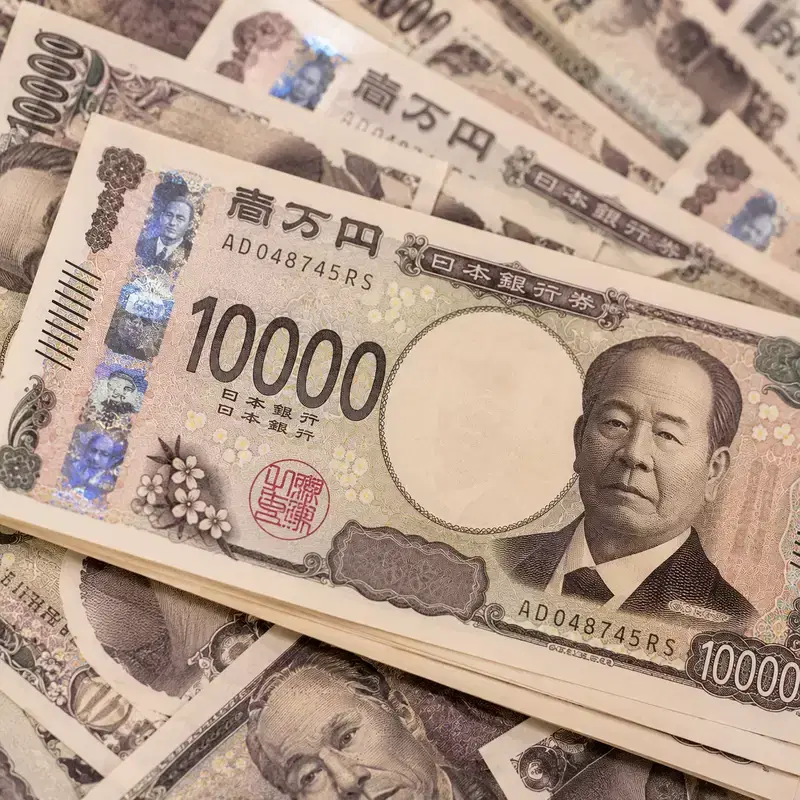
▲ Japanese Yen (JPY)/AI-generated image
Following the sharp rise in the Japanese yen, market attention has turned to the possibility of a Bank of Japan (BOJ) interest rate hike in September.
Peter Boockvar, Chief Investment Officer at OnePoint BFG Wealth Partners, stated in an interview with CNBC on September 3 (local time) that the Bank of Japan (BOJ) is preparing to raise interest rates on September 18. Although there was speculation about potential government intervention regarding the previous day's sharp rise in the yen, nothing has been confirmed. Boockvar pointed out that the 160-yen level is an important boundary for both the Japanese and US Treasuries. He argued that the BOJ should not only raise interest rates but also strongly signal the possibility of further increases.
Boockvar believes that rising Japanese interest rates have also pushed up long-term bond yields in the US and Europe. He explained that Japan's long-term interest rates have risen in recent years, acting as upward pressure on global bond yields. He projected that if the BOJ strengthens its tightening stance and stabilizes local long-term interest rate increases, it could have a short-term stabilizing effect on US and European rates. However, considering debt, fiscal deficits, competition for capital, and persistent inflation, he assessed that the overall long-term trend for interest rates remains upward.
He also noted whether the yen's strength would spread to dollar weakness. Boockvar stated that rising Japanese interest rates could lead to some unwinding of carry trades, where the yen is borrowed to invest in other assets. However, he drew the line at estimating the remaining volume of such trades. He also mentioned that even if Japanese interest rates rise, the yen remains a cheap funding currency as it is still lower than the US 10-year Treasury yield.
He issued a stronger warning regarding the commodity market. Boockvar said, “We have entered a full-blown commodity bull market.” He pointed out that while West Texas Intermediate (WTI) crude oil remains at the $90-92 level, expectations that the conflict in the Middle East will end soon are overly optimistic. He also emphasized a significant reduction in commercial and strategic petroleum reserves. Agricultural prices are also surging. The Bloomberg Agriculture Index hit its highest level since 2023 this week, led by corn, wheat, and soybeans. Coffee, precious metals, and industrial metals have also joined the rally.
Boockvar expects rising commodity prices to continue pushing up inflation. He said, “We are living in a world where 3-4% inflation has become the new 1-2%.” He also cited the US fiscal deficit, which amounts to 6-7% of GDP, or $2 trillion in absolute terms, as a burden on central banks. He assessed that even if the Federal Reserve (Fed) raises rates by 25 basis points or keeps them steady, the market impact would be limited. He stressed that the 10-year Treasury yields in the US, Europe, and Japan are more strongly determining the actual cost of money than policy rates.
[Key Article Summary]
-Peter Boockvar predicts a high probability that the Bank of Japan will raise interest rates on September 18.
-He analyzed that the strong yen and rising long-term Japanese interest rates could also affect US and European rates and carry trades.
-Boockvar warned that 3-4% inflation could become prolonged, citing rising prices for WTI, agricultural products, and metals.
*Disclaimer: This article is for investment reference only, and we are not responsible for investment losses based on it. The content should be interpreted for informational purposes only.*
Newsletter
Get key news delivered to your email every morning
to leave a comment.