
to leave a comment.
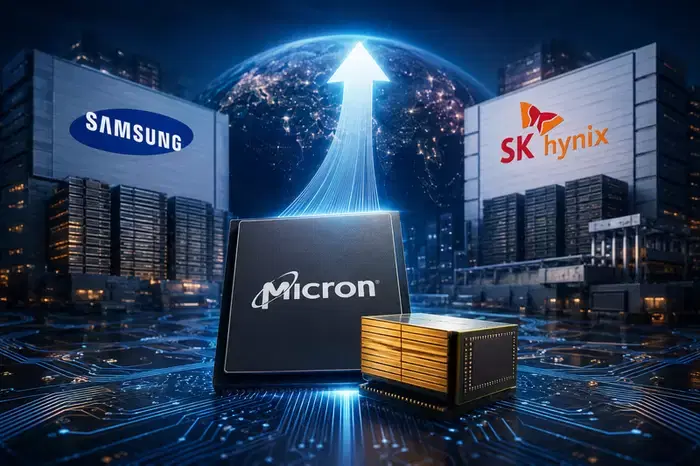
▲ Micron, Samsung Electronics·SK Hynix/AI generated image ©
While Samsung Electronics and SK Hynix achieved record-high performance thanks to the boom in artificial intelligence (AI) semiconductors, they remained constrained by conservative shareholder return policies, while Micron Technology, which promised 100% shareholder returns, is gaining a windfall and maintaining a sharp upward momentum.
According to Watcher.Guru, a cryptocurrency specialized media outlet, on August 6 (local time), Samsung Electronics and SK Hynix are estimated to hold a combined net cash of $263 billion by the end of this year. This is an overwhelming amount, more than double Nvidia's estimated cash reserves of $102 billion. However, the shareholder return targets of the two South Korean semiconductor companies are only about half of their free cash flow (FCF), falling significantly short of Western investors' expectations.
This disparity in shareholder return policies is acting as a powerful upward driver for Micron's stock price. In June, Micron announced that it would return 100% of its free cash flow to shareholders, confirming an exceptionally pro-shareholder move compared to its competitors. Consequently, while the stock prices of its South Korean competitors struggled, with SK Hynix falling approximately 48% and Samsung Electronics approximately 37% from their June highs, Micron's stock price maintained a strong performance, holding around the $893.19 mark.
The pressure from activist investors and shareholders on South Korean companies is also intensifying. Lee Sang-mok, CEO of the individual investor platform ACT, pointed out the lack of urgency among South Korean semiconductor giants, and launched a campaign demanding Samsung Electronics to hold an extraordinary general meeting of shareholders and conduct a $32 billion share buyback. Richard Clode of Janus Henderson, an asset management firm, also criticized the 50% return policy as an inefficient financial structure, supporting the phenomenon of funds flocking to Micron, which has a clear dividend policy.
The overall industry outlook for AI memory demand remains robust. AI server orders continue to pour in across the High Bandwidth Memory (HBM) and DRAM markets, and major semiconductor companies are proactively preventing the risks of over-investment and price crashes seen in past cycles through long-term supply contracts.
Ultimately, the windfall profit in Micron's stock price is the result of the re-evaluation of its pro-shareholder policy, proactively confirmed months ago, while Samsung Electronics and SK Hynix experienced friction over their shareholder return policies. As AI memory demand expands across the entire supply chain, the disparity in shareholder return policies is expected to be a key variable determining the future stock performance of the three memory semiconductor companies.
*Disclaimer: This article is for investment reference only, and we are not responsible for any investment losses based on it. The content should be interpreted for informational purposes only.*
Newsletter
Get key news delivered to your email every morning
to leave a comment.