
to leave a comment.
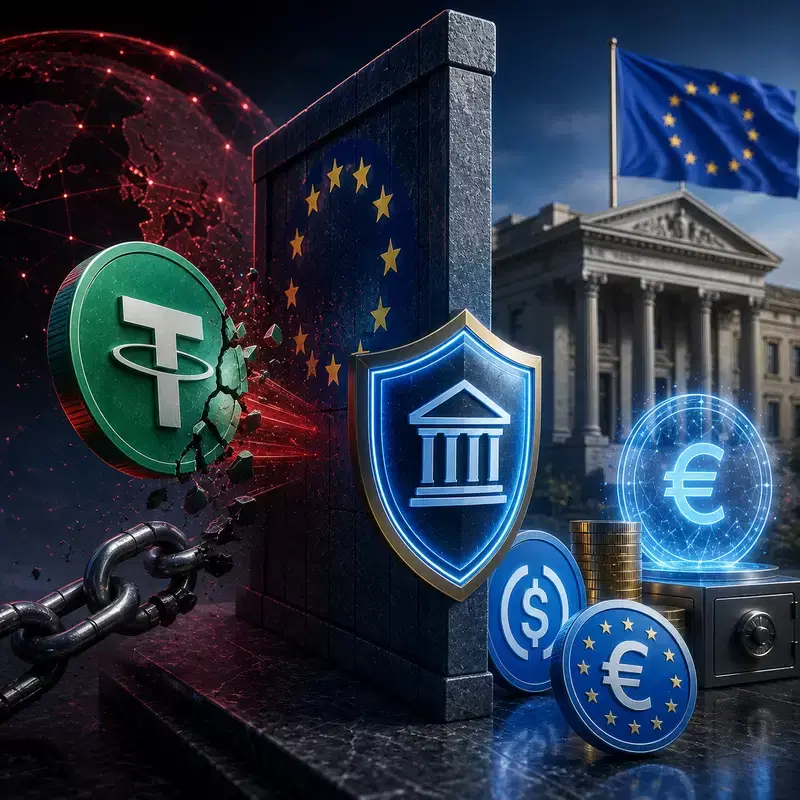
▲ Tether (USDT), Stablecoin, Cryptocurrency Regulation, European Union/AI-generated image
Analysis suggests that Europe's expulsion of USDT is not merely a delisting, but a regulatory strategy aimed at preventing the spread of dollar stablecoins and protecting bank deposits and euro sovereignty.
The crypto-specialized YouTube channel Coin Bureau announced in a video uploaded on August 2nd (local time) that Revolut will automatically convert European users' USDT into fiat currency starting August 31st. Buying was halted on July 6th, and deposits on July 30th. The affected regions are the European Economic Area (EEA) and Switzerland. Holding in personal wallets and peer-to-peer transfers will continue to be permitted. The video explained that this method does not outlaw USDT but only blocks trading routes on regulated platforms.
The direct background for the delisting is the European Union's Markets in Crypto-Assets (MiCA) regulation. Crypto-Asset Service Providers (CASPs) authorized under MiCA cannot offer e-money tokens to users that are not on the approved list. Tether has not received European authorization. While issuers of significant e-money tokens must hold 60% of their reserves in European commercial bank deposits, Tether refused this condition. Tether manages approximately 80% of its reserves in short-term U.S. Treasury bills. Paolo Ardoino, Tether's CEO, argued that the obligation to deposit with banks is, in fact, risky. He cited the case of USDC falling to approximately $0.87 when $3.3 billion in reserves were frozen during the Silicon Valley Bank collapse in 2023 as evidence.
Europe prepared alternatives before pushing out USDT. Circle received e-money institution authorization in France in July 2024, and USDC has established itself as Europe's leading regulatory-compliant dollar stablecoin. BNY Mellon integrated USDC into its digital asset custody platform in June 2026. The supply of EURC increased from approximately 200 million at the beginning of 2026 to about 380 million during the year. The market size for euro stablecoins meeting regulatory requirements also grew by 128%, from approximately $295 million in June 2025 to about $673 million in June 2026.
European banks are also eyeing the market gap. In December 2025, 12 banks established a consortium for issuing euro stablecoins, and an additional 25 joined in May 2026. The number of participating institutions has grown to 37 across 15 countries. BNP Paribas, ING, UniCredit, and others are participating, aiming for a launch in the second half of 2026. However, USDT's global market dominance persists. USDT's market capitalization is approximately $187 billion, accounting for about 60% of the total stablecoin market. On-chain stablecoin transaction volume in June also reached an all-time high of $1.79 trillion.
The video identified the deposit base of European banks and monetary policy control as key targets the European Central Bank (ECB) aims to protect. ECB officials warned that dollar stablecoins could drain commercial bank deposits and weaken funding costs and payment control. The fact that 98-99% of all stablecoins are dollar-denominated assets was also raised as an issue for Europe's monetary sovereignty. The ECB is preparing to test the digital euro with 36 payment service providers, with a target issuance date of 2029. The video assessed that while Europe selectively targets USDT with regulatory approval, the U.S. is pursuing a contrasting strategy, supporting the international expansion of dollar stablecoins through the GENIUS stablecoin regulation.
[Article Summary]
-Revolut will automatically convert USDT held by users in the European Economic Area and Switzerland into fiat currency starting August 31st.
-Tether rejected MiCA's condition to deposit 60% of its reserves in European commercial banks, opting for a U.S.-centric regulatory strategy.
-Europe is protecting bank deposits and euro monetary sovereignty by promoting USDC, euro stablecoins, and the digital euro.
*Disclaimer: This article is for investment reference only, and we are not responsible for any investment losses based on it. This content should be interpreted for informational purposes only.*
Newsletter
Get key news delivered to your email every morning
to leave a comment.