
to leave a comment.
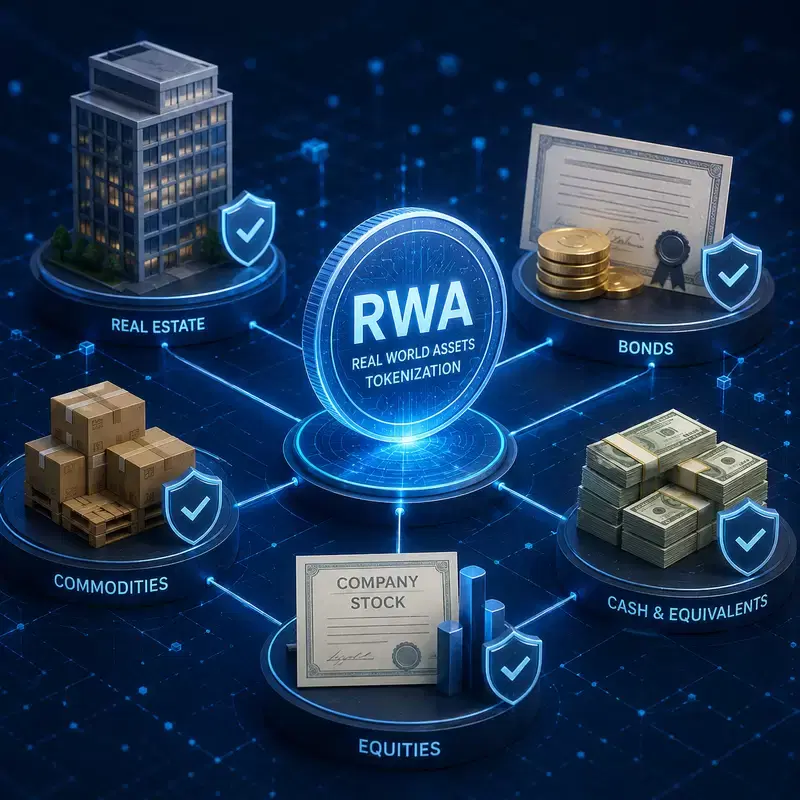
▲ Real World Asset Tokenization (RWA)/AI Generated Image
Although the tokenized asset market has grown to $60 billion, the International Monetary Fund (IMF)'s warning that it is not even clear who legally owns the assets is pouring cold water on expectations of institutional adoption.
According to crypto-specialized media BeInCrypto on July 3 (local time), the IMF warned that if tokenized assets fail to resolve issues of legal ownership and settlement finality, they will remain on the periphery of financial markets and not move to the center. BeInCrypto Research estimated the size of the tokenized real-world asset (RWA) market, excluding stablecoins and repurchase agreements, at approximately $60 billion as of May 31.
Tobias Adrian, Financial Counsellor and Director of the IMF's Monetary and Capital Markets Department, diagnosed tokenization as a change that alters the very structure of the financial system, not just a simple technological improvement. Adrian stated, "Market participants need to know whether tokenized records constitute definitive ownership, whether settlement finality is legally recognized, and which jurisdiction's laws apply." He added, "Without clarity, tokenization will remain in fragmented, peripheral markets."
According to BeInCrypto Research, the tokenized asset market is not a single integrated market but is fragmented into multiple markets depending on regulatory frameworks, regions, and investor status. Approximately 97% of the total value was classified as areas inaccessible to U.S. retail investors or lacking regulations that provide a level of protection for retail investors.
Tokenized assets accessible to retail investors amounted to only $1.7 billion. In contrast, U.S. accredited investors were found to have access to approximately $8.3 billion, including Regulation D offerings. Contrary to expectations that tokenization would broaden financial accessibility, the actual market structure shows a significant divergence in access depending on investor qualifications and regulatory barriers.
The form of ownership was also cited as a key issue. Tokens are divided into direct ownership, fund equity, and synthetic exposure structures, with synthetic structures tracking only price fluctuations without actual asset claims. According to the report, 59% of all stock tokens provide synthetic price exposure rather than actual stock ownership.
Regulatory gaps are also a variable hindering market expansion. Approximately 39% of the total market was identified as lacking a discernible regulatory framework, and the report pointed to this area as a due diligence risk for asset allocators. The issues raised by the IMF and BeInCrypto Research data show that the next challenge for the tokenization market lies in clarifying ownership, settlement, and jurisdiction rather than technology.
[Article Key Summary]
-The IMF warned that if tokenized assets fail to resolve issues of ownership and settlement finality, they will remain on the periphery of financial markets.
-BeInCrypto Research estimated the tokenized real-world asset market, excluding stablecoins and repurchase agreements, at approximately $60 billion.
-Approximately 97% of the total value was classified as areas difficult for U.S. retail investors to access or lacking regulations that provide a level of protection for retail investors.
*Disclaimer: This article is for investment reference only, and we are not responsible for any investment losses based on it. The content should be interpreted for informational purposes only.*
Newsletter
Get key news delivered to your email every morning
to leave a comment.