
to leave a comment.
▲ SpaceX (SPCX)/AI Generated Image
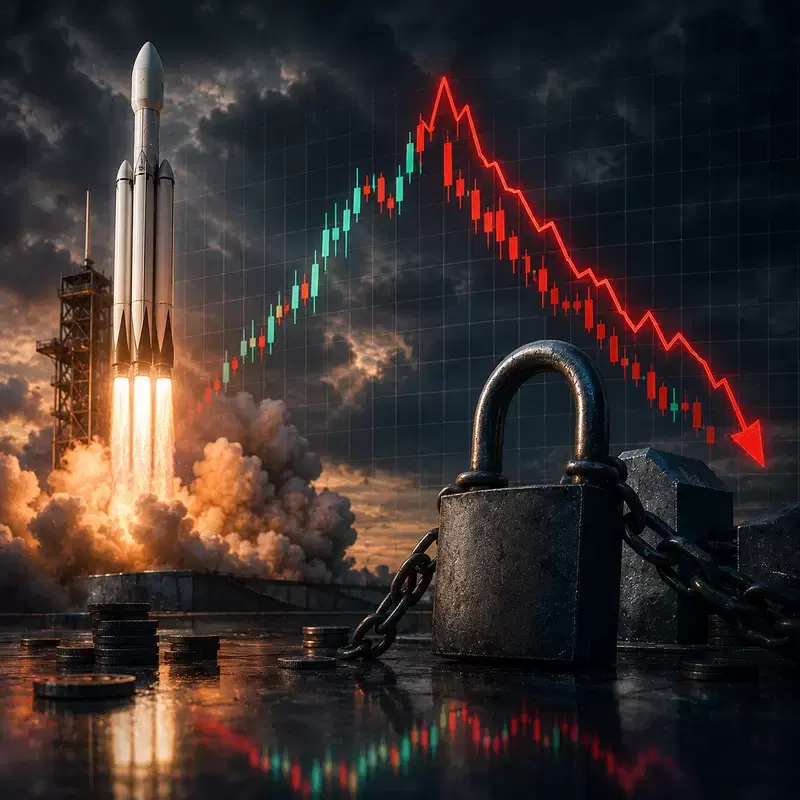
SpaceX (SpaceX, SPCX) soared from $150 to $225 in less than two weeks after its initial public offering, only to fall back to around $150. The scarcity of circulating shares and the burden of lock-up release, hidden behind the super-large IPO frenzy, emerged as key market variables.
According to Nasdaq on July 3 (local time), SpaceX's stock price jumped to $150 on its first trading day after completing its IPO on June 12, and then rose to $225 in a short period. However, the stock price returned to around $150 in less than two weeks. Nasdaq reported that the stock's volatility increased immediately after listing, driven by investment fervor surrounding the space industry and artificial intelligence (AI), coupled with the acquisition of Cursor, valued at $60 billion.
The starting point of the sharp fluctuations was the structure of circulating shares. On the day of its IPO, SpaceX released only 4.24% of its total shares as publicly traded volume. With less than 5% of shares available for buying and selling in the market, a typical supply-demand imbalance occurred as buying interest surged, leading to a rapid rise in the stock price shortly after listing.
However, after the stock price reached around $225, investor sentiment quickly cooled. Nasdaq pointed to concerns over overvaluation, the dilution of existing shareholders' stakes due to stock financing for the Cursor acquisition, and the waning excitement that peaked on the IPO day as reasons for the stock's decline. The market began to factor in future stock supply expansion and valuation burdens into the price before growth expectations.
The lock-up release schedule also became the next variable for the stock price. While the typical lock-up period for newly listed companies is about 180 days, SpaceX adopted a phased lock-up release method. After the first earnings announcement, if certain stock price conditions are met, an initial selling window opens, and then the circulating volume increases in several stages. CEO Elon Musk and major investors are subject to a 366-day lock-up, with stock sales permitted from June 14, 2027.
Even after the stock price decline, SpaceX is trading at a market capitalization of around $2 trillion. This valuation is approximately 110 times its projected 2025 revenue of $18.6 billion. Nasdaq stated that the rapid reversal from $225 served as a warning sign, demonstrating how quickly SpaceX could lose value when investor sentiment shifts. The speed at which circulating shares increase over the next year remains a key risk for SpaceX's stock price.
[Article Key Summary]
-SpaceX surged from $150 to $225 after its IPO on June 12, then fell back to around $150 in less than two weeks.
-Only 4.24% of the total shares were made available for public trading on the listing day, with limited circulating shares identified as a key factor behind the initial surge.
-SpaceX is valued at a market capitalization of $2 trillion, approximately 110 times its projected 2025 revenue, making lock-up releases and increased circulating volume a continued burden on the stock price.
*Disclaimer: This article is for investment reference only, and we are not responsible for any investment losses based on it. The content should be interpreted for informational purposes only.*
Newsletter
Get key news delivered to your email every morning
to leave a comment.