
to leave a comment.
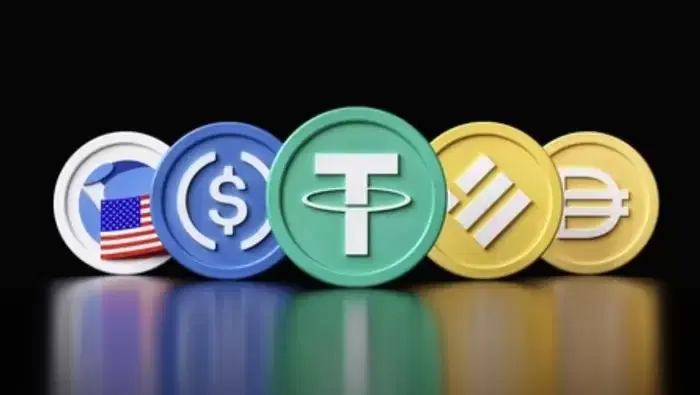
▲ Stablecoin
The supply of stablecoins has grown from around $100 billion to over $300 billion in just one year, establishing itself as a digital dollar infrastructure that extends beyond cryptocurrency trading liquidity to cross-border payments and even traditional financial markets.
According to Cointelegraph on May 15 (local time), the stablecoin market saw a significant increase in issuance throughout 2025, surpassing $300 billion. At the beginning of 2025, the stablecoin market size was slightly over $200 billion, but an additional approximately $100 billion was added over the subsequent 12 months. By early 2026, the total supply settled in the range of $317 billion to $320 billion.
Cointelegraph pointed out that this growth was not due to a single factor. It explained that the increased participation in the cryptocurrency market, improved regulatory environment, growth in institutional investor involvement, and expanded use in everyday financial sectors all converged to drive the supply increase. The rising demand for dollar-pegged liquidity during the recovery of the digital asset market also coincided with the expansion of stablecoin issuance.
In the trading market, stablecoins have re-emerged as a core liquidity layer. Traders are utilizing stablecoins as a primary means for moving funds between exchanges, entering and exiting positions, and engaging with DeFi applications. The advantage of being able to transfer value almost instantly without relying on the traditional banking system has become more pronounced as volatility and trading volumes have increased.
Increased regulatory clarity also boosted market confidence. In the United States, policy discussions and draft legislation centered on reserve requirements and transparency obligations continued, and the European Union introduced similar standards through the Markets in Crypto-Assets (MiCA) regulation. Singapore, Japan, and the UAE also established frameworks to support eligible issuance and adoption. Cointelegraph reported that while these changes did not eliminate all risks, they created a clearer structure for large institutions to enter the market.
Market expansion proceeded along two main axes: USDt and USDC. USDt maintained its dominant position as a means of providing exchange liquidity in markets where traditional dollar banking services are difficult or limited to use. USDC, on the other hand, grew in regions that prioritize regulatory compliance and transparency, expanding its connections with banks, payment companies, and enterprise applications. The two models each fostered the stablecoin market in different directions: on-chain trading demand and traditional financial linkages, respectively.
Outside of trading, cross-border remittances and corporate payments emerged as key growth drivers. While existing remittance and business-to-business payment channels are slow and costly, stablecoins reduce reliance on multiple intermediaries and enable faster value transfer. However, Cointelegraph noted that a significant portion of stablecoin transaction volume comes from buying and selling, arbitrage, and liquidity provision, so caution is needed when interpreting the scale of actual economic activity.
Stablecoin growth is also influencing traditional financial markets. Fiat-backed stablecoins generally hold cash and short-term government bonds as reserves. As issuance volume increases, issuers have become significant participants in the U.S. short-term Treasury market. Cointelegraph reported that reserve transparency, issuer concentration, redemption pressure, potential spillovers to traditional financial markets, and issues of sanctions compliance and supervisory cooperation remain core risks for the market.
*Disclaimer: This article is for investment reference only, and we are not responsible for any investment losses based on it. The content should be interpreted for informational purposes only.*
Newsletter
Get key news delivered to your email every morning