
to leave a comment.
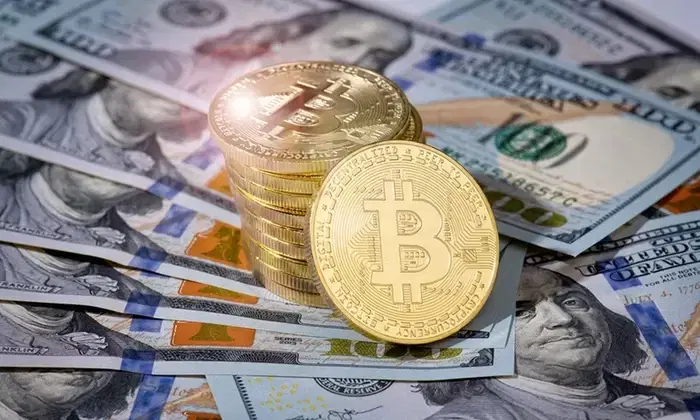
▲ Bitcoin (BTC), Dollar (USD) ©
Despite the resurgence of inflation in the US, Bitcoin has held its ground above the $80,000 mark, leading to market evaluations that BTC is once again acting as an inflation hedge asset.
According to cryptocurrency specialized media Bitcoinist on May 16 (local time), the US Consumer Price Index (CPI) for April, announced by the Bureau of Labor Statistics (BLS), rose by 3.8% year-on-year, marking its highest level since May 2023. The monthly increase was also recorded at 0.6%, matching market expectations, but the annual increase surpassed the previous forecast of 3.7%. The media analyzed that this surge in prices was largely influenced by the rise in energy prices due to the conflict between the US and Iran.
Generally, rising inflation tends to prolong the Federal Reserve's (Fed) high-interest rate policy, putting pressure on risky assets. Indeed, the US 10-year Treasury yield rose to 4.459% immediately after the announcement, and US spot Bitcoin ETFs experienced over $233 million in outflows in a single day. Nevertheless, Bitcoin only fell by approximately 1% to 1.5% immediately after the announcement and later stabilized around $81,000.
The media noted that Bitcoin maintained a relatively robust trend despite macroeconomic shocks. BTC's 24-hour volatility remained at around 0.1%, and its market share also remained stable. This was interpreted as a signal that some investors still view Bitcoin as an an inflation hedge.
Robert Kiyosaki, author of 'Rich Dad Poor Dad', also recommended buying Bitcoin as a means of defense against inflation. He warned that if the Iran conflict prolongs, rising oil prices could lead to greater inflationary pressure in the US. He also argued that with the current US national debt having increased to approximately $34 trillion, additional currency issuance by the government could further stimulate inflation.
Kiyosaki emphasized that in such an environment, investors should invest in 'real money' to protect their purchasing power. He cited gold, silver, Bitcoin (BTC), and Ethereum (ETH) as representative inflation-defending assets, advising that in the current market environment, increasing the proportion of physical and digital assets is more important than holding cash.
*Disclaimer: This article is for investment reference only, and we are not responsible for any investment losses based on it. The content should be interpreted for informational purposes only.*
Newsletter
Get key news delivered to your email every morning
to leave a comment.