
to leave a comment.
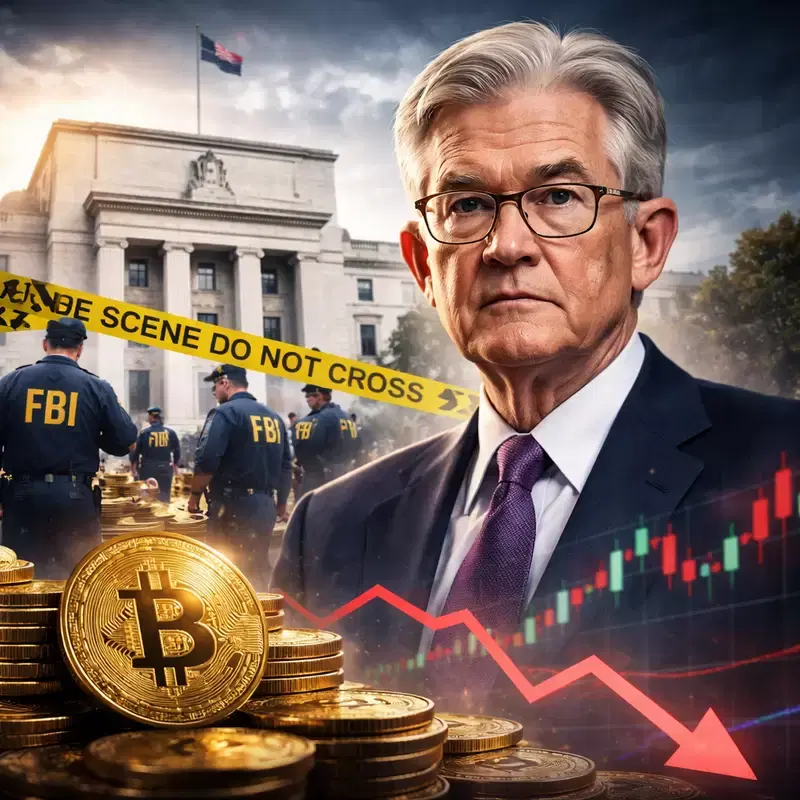
▲ Jerome Powell, U.S. Federal Reserve (Fed), Bitcoin (BTC)/ChatGPT generated image
Jerome Powell, Chairman of the Federal Reserve, is stepping down as his term comes to an end. He is credited with establishing virtual assets as mainstream assets.
According to cryptocurrency media outlet U.Today on May 12 (local time), Chairman Powell will retire on May 15 after an 8-year term. His tenure was a period marked by the rapid growth of Bitcoin (BTC) and aggressive interest rate hikes. Initially, he was negative about virtual assets, but in the latter half of his term, he recognized them as a store of value, elevating their status in the market.
The monetary policies led by Chairman Powell had a significant impact on the market. The liquidity supply during the pandemic acted as a catalyst for Bitcoin's price surge. Subsequent aggressive interest rate hikes forced a structural overhaul, shedding market bubbles. Investors experienced volatility with massive funds flowing in or evaporating based on his single statement.
Market expectations are high for his successor, Kevin Warsh. Warsh has shown a favorable view, referring to Bitcoin as "gold for a new generation." He also has a history of investing in numerous virtual asset companies. Unlike Powell's conservative stance, he is expected to actively incorporate virtual assets into the financial system.
The conflict between President Donald Trump and Chairman Powell is also expected to conclude. President Trump aims to expand liquidity through Warsh, who prioritizes growth. Even after leaving the chairmanship, Powell will remain a Federal Reserve Governor until 2028. His influence in the policy-making process is expected to persist for some time.
The virtual asset market has passed the Powell era and reached a new turning point. The resolution of the high-interest rate environment and the formation of a friendly leadership are serving as opportunities to re-evaluate asset values. Institutional investors are closely monitoring the potential resumption of liquidity supply and are actively restructuring their portfolios.
*Disclaimer: This article is for investment reference only, and we are not responsible for investment losses based on it. The content should be interpreted for informational purposes only.*
Newsletter
Get key news delivered to your email every morning
to leave a comment.