
to leave a comment.
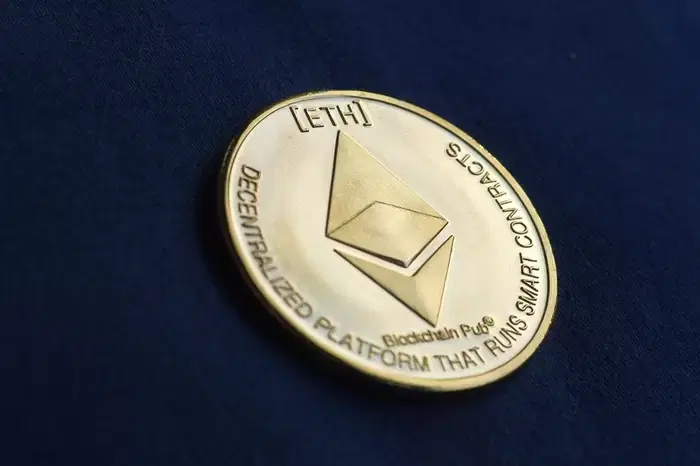
▲ Ethereum (ETH) ©
The overheating leverage in the Ethereum futures market is rapidly cooling down. Market analysis suggests that short-term speculative demand is decreasing, while the potential for volatility reduction is increasing.
According to cryptocurrency media outlet Bitcoinist on May 12 (local time), the Estimated Leverage Ratio (ELR) for Ethereum (ETH) on Binance has recently dropped sharply. ELR is an indicator calculated by dividing Ethereum's Open Interest by the Derivatives Exchange Reserve, showing the average level of leverage investors are using.
This indicator soared to 0.76 during the bull rally in March this year but has now fallen to around 0.57. This means that the size of Ethereum's open interest within Binance's derivatives exchange is about 57% of the exchange's reserves. The media analyzed that despite the recent upward trend, speculative leverage demand has actually decreased.
A CryptoQuant analyst diagnosed, “The recent rebound in Ethereum is not accompanied by excessive leveraged buying.” Generally, a higher ELR means investors are taking on higher risks, and excessive leverage expansion often leads to rapid volatility and flash crashes. Conversely, a period where the indicator stabilizes, as it is now, can be interpreted as a sign that market overheating is easing.
The media evaluated that this decrease in leverage is not necessarily a bad sign. In the past, the Ethereum market repeatedly experienced sharp increases in volatility after excessive leverage liquidations, but currently, a relatively stable position structure is being formed. However, whether the ELR trend will reverse upwards again in the coming days has been identified as a variable that will determine the short-term market direction.
Ethereum is currently trading around $2,330, maintaining a similar level to a week ago. The market believes that with leverage overheating subsiding, the US Consumer Price Index (CPI), the US cryptocurrency market structure bill, and schedules related to the Clarity Act are likely to influence investor sentiment in the future.
*Disclaimer: This article is for investment reference only, and we are not responsible for any investment losses based on it. The content should be interpreted for informational purposes only.*
Newsletter
Get key news delivered to your email every morning
to leave a comment.