
to leave a comment.
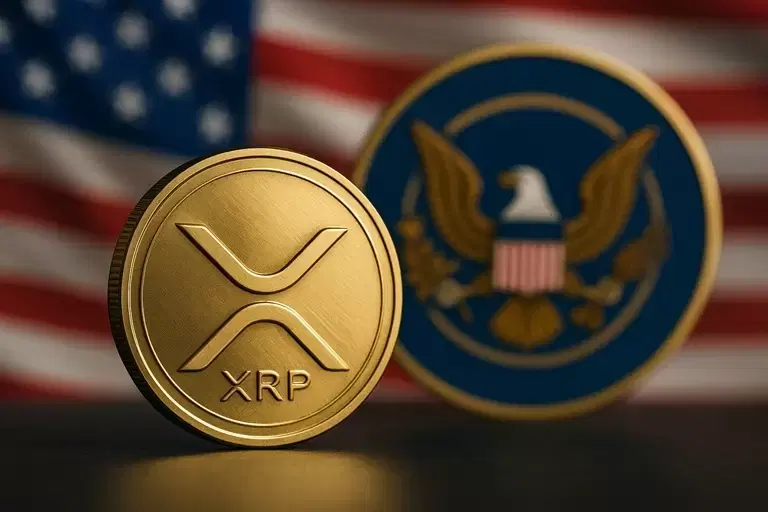
▲ XRP, U.S. Securities and Exchange Commission (SEC)/ChatGPT-generated image
XRP's regulatory status has been significantly elevated as it was mentioned in official documents of the U.S. Securities and Exchange Commission (SEC) as an asset in the same category as Bitcoin and Ethereum.
Bitcoinist reported on May 3 that during the SEC's review of a proposed rule change by NYSE Arca, XRP was explicitly listed as a 'qualified asset' alongside Bitcoin (BTC) and Ethereum (ETH).
The proposal includes criteria for crypto spot ETFs to invest 80% of their net asset value in qualified assets, and with XRP's inclusion, the structure of its recognition as an asset eligible for faster ETF approval has been reconfirmed.
This change contrasts with the SEC's past stance, which only considered Bitcoin and Ethereum as non-security assets and allowed their ETF approvals. At that time, the regulatory environment suggested XRP could be classified as a security, limiting its integration into institutional frameworks.
This measure is evaluated as an extension of policy changes under the current SEC regime. The fact that the SEC and the U.S. Commodity Futures Trading Commission (CFTC) jointly presented token classification guidelines that categorize major cryptocurrencies, including XRP, as commodities, follows the same trend. These standards are likely to be reflected in the U.S. Cryptocurrency Market Structure Bill (CLARITY).
Furthermore, Judge Analisa Torres's ruling in the past lawsuit with Ripple, which determined that XRP itself could not be considered a security, is also analyzed to have played a crucial role in securing this regulatory clarity. This ruling has put the SEC in a difficult position to reject XRP-based ETF applications on grounds of security status.
Ripple CEO Brad Garlinghouse stated at an event in Las Vegas, "The SEC is now providing a much clearer regulatory environment than in the past."
This action by the SEC is interpreted as a signal that places XRP on par with Bitcoin and Ethereum, marking a significant turning point in its process of institutional integration.
*Disclaimer: This article is for investment reference only, and we are not responsible for any investment losses based on it. The content should be interpreted for informational purposes only.*
Newsletter
Get key news delivered to your email every morning
to leave a comment.