
to leave a comment.
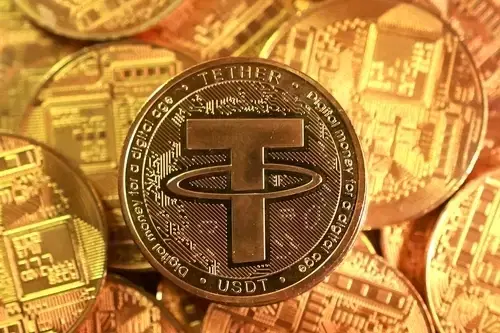
▲ Tether ©
The U.S. Senate investigation results, which stated that stablecoin Tether (USDT) was used as a means to evade Iranian sanctions, directly conflicted with Tether's large-scale asset freezing performance. Tether announced that it had assisted in freezing approximately $550 million worth of USDT linked to Iran this year, while U.S. Senate Democratic investigators urged authorities to investigate, claiming that a significant number of Iran-related sanctioned wallets intensively used USDT.
According to investment media FXStreet on September 29 (local time), Tether announced that it had cooperated with international law enforcement agencies this year to assist in freezing approximately $550 million worth of USDT linked to Iran. The company explained that it froze over $130 million in USDT from four wallets this year, and in April, it also froze over $344 million in assets linked to the Iranian central bank.
Tether's announcement came amidst the release of a report by Democratic investigators of the U.S. Senate Permanent Subcommittee on Investigations (PSI), which stated that USDT had become a key channel for Iran's sanction evasion. The investigation team announced that after analyzing 846 virtual asset wallets sanctioned due to their links with Iran, they found that 84% exclusively used USDT or processed most of their transactions with USDT.
In response, U.S. Senator Richard Blumenthal requested the Treasury Department and the Justice Department to investigate Tether's anti-money laundering and sanction compliance practices, as well as potential sanction violations. However, this is based on the findings and concerns raised by Senate Democratic investigators and does not mean that Tether's sanction violations have been confirmed.
Tether maintains that USDT is not a safe haven for sanctioned entities or criminal organizations. Paolo Ardoino, CEO of Tether, emphasized that the company has collaborated with the U.S. Department of Justice (DOJ), the Federal Bureau of Investigation (FBI), the Secret Service, Homeland Security Investigations (HSI), and the Office of Foreign Assets Control (OFAC) to track, freeze, and recover assets. According to Tether, over $4.9 billion in assets have been frozen so far through cooperation with authorities worldwide, with more than $2.4 billion of that amount linked to U.S. authorities.
This issue has once again highlighted the debate surrounding stablecoin issuers' sanction compliance and their ability to block illicit funds, as stablecoins expand as a means of global capital movement. While U.S. Senate investigators raised concerns about the high proportion of USDT usage in Iran-related wallets, Tether emphasized its cooperation with international law enforcement agencies, highlighting that it assisted in freezing approximately $550 million in Iran-linked assets this year alone.
*Disclaimer: This article is for investment reference only, and we are not responsible for investment losses based on it. The content should be interpreted for informational purposes only.*
Newsletter
Get key news delivered to your email every morning
to leave a comment.