
to leave a comment.
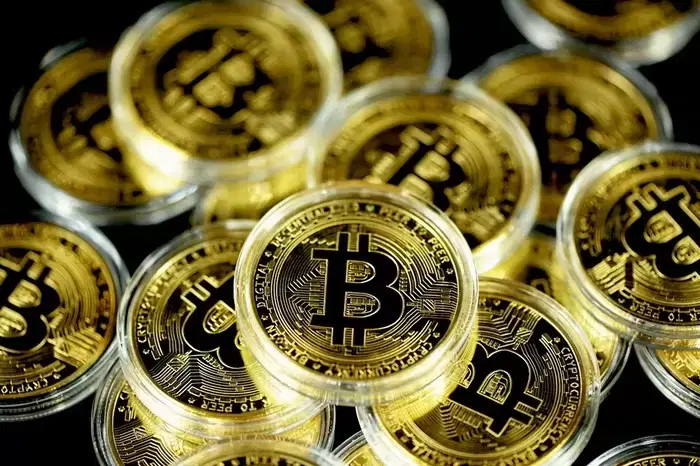
▲ Bitcoin (BTC)
Despite the double whammy of the US central bank's benchmark interest rate hike and the failure of regulatory legislation, macroeconomic strength and independent actions by regulatory authorities have converged. It is predicted that Bitcoin (BTC) will experience its biggest surge ever by 2027.
On September 17 (local time), the cryptocurrency-focused YouTube channel Altcoin Daily analyzed in an uploaded video that the Federal Reserve's (Fed) interest rate hike is a strong signal proving a robust economy. The Fed raised its policy rate by 0.25 percentage points, marking its first tightening since July 2023. Fed Chairman Kevin Warsh explained that "economic indicators have improved, and underlying growth has become robust," stating that the economy has sufficient strength to warrant an interest rate hike to curb inflation. All 12 members of the Federal Open Market Committee (FOMC) voted in favor, and the dot plot suggested one additional hike within 2026. In the past, during the interest rate hike period from 2016 to early 2018, Bitcoin surged by over 2,600%. There is also a precedent where it surged over 600% even during the tightening cycle of 2022.
Congressional voting on the US cryptocurrency market structure bill failed. However, concerns about a regulatory vacuum were immediately quelled by the swift intervention of the Commodity Futures Trading Commission (CFTC). CFTC Commissioner Mike Selig declared, "If the bill is delayed, the CFTC will use its existing authority to establish a market framework." The plan is to develop rules for developer protection and permission for on-chain protocols to fulfill Donald Trump's presidential campaign promises. Circle CEO Jeremy Allaire also highlighted the precedent of the GENIUS stablecoin regulatory bill passing after multiple rejections.
Macro investors pointed out that the essence of Bitcoin's rise lies in responding to debt crises and liquidity, rather than the passage of legislation. Billionaire macro investor Arthur Hayes drew a line, stating, "Bitcoin grew without legislation and will not need it in the future." The expansion of Treasury buybacks by Treasury Secretary Scott Bessent and currency issuance for Japanese government bond swaps are cited as key drivers. It is diagnosed that massive global liquidity expansion, including the potential introduction of Yield Curve Control (YCC), is pushing Bitcoin higher.
Substantial institutional support is also becoming visible. The U.S. House Ways and Means Committee passed a bill to exempt tax reporting obligations for small payments under $10 by a vote of 38 to 5. This has laid the groundwork for expanding real-world payment infrastructure. Even if Bitcoin only rises by 200%, a fraction of past cycle gains, it would reach $237,000. A 400% increase would bring it close to $400,000. Asset inflows into Robinhood Markets (HOOD) chain and the expansion of Solana (SOL)-based Real World Assets (RWA) are strongly supporting its upward trajectory.
[Article Key Summary]
-The Fed's 0.25 percentage point benchmark interest rate hike proves a robust economic strength and is considered a signal for the re-enactment of Bitcoin's (BTC) surge history.
-Despite the failure of the US cryptocurrency market structure bill, the CFTC has initiated independent regulation, and a tax exemption for amounts under $10 passed the House standing committee.
-With global liquidity supply and expanding blockchain adoption, Bitcoin has the potential to surge to $400,000, passing through $237,000.
*Disclaimer: This article is for investment reference only, and we are not responsible for investment losses based on it. The content should be interpreted for informational purposes only.*
Newsletter
Get key news delivered to your email every morning
to leave a comment.