
to leave a comment.
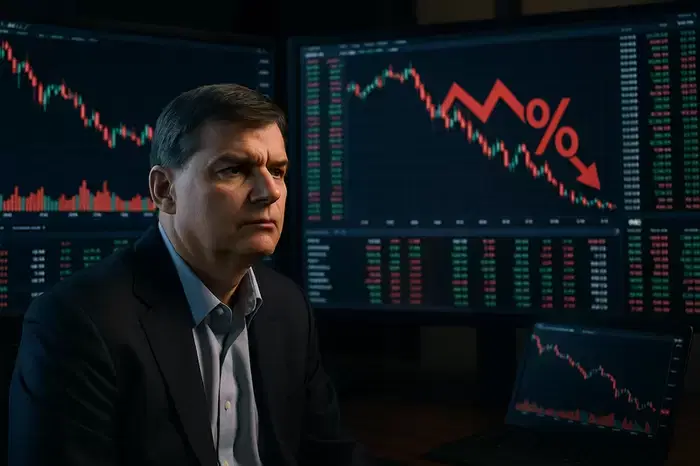
▲ ‘Big Short’ Michael Burry / ChatGPT generated image ©
Michael Burry, famous for ‘The Big Short’, has targeted Oracle and Nebius as new short-selling targets, betting on the potential collapse of the artificial intelligence (AI) bubble. Both companies have invested heavily in AI infrastructure, but it is believed that their financial burden and profitability issues could escalate.
According to cryptocurrency media outlet Finbold on August 7 (local time), Burry disclosed new positions betting on the decline of Oracle and Nebius stock prices via Substack on August 6. He had previously closed his Oracle short position once and then re-established it at $144.63 per share. For Nebius, he directly shorted the stock at $211.77 per share, citing that the put option prices were excessively expensive.
As of the time of writing on August 7, Oracle traded at $144.65, having fallen 0.64% in regular trading and then rebounded 0.82% in after-hours trading. Nebius plummeted 13.29% in regular trading and recovered 4.28% in after-hours trading, reaching $198. Burry views the current stock market rally as unsustainable and has warned that the market may have reached its peak, risking a ‘1987-style crash’.
The reason Burry targeted Oracle is the burden of AI data center investments. Oracle signed a large-scale data center contract related to OpenAI's Stargate project, but it is pointed out that the scale of construction exceeds the company's financial capacity and heavily relies on OpenAI's ability to pay the contract fees. Leaked OpenAI financial data for 2024-2025 raised questions about its payment capabilities, and Oracle also received a credit rating downgrade from S&P Global in July. Nebius also has significant growth opportunities in its neocloud business if the AI boom continues, but it is currently incurring substantial losses.
Even Nvidia's support did not change Burry's assessment. Nvidia strategically invested $2 billion in Nebius and began negotiating up to $250 billion in support for OpenAI. While such funding could be a safety net for the two companies, analysts suggest it could heighten concerns about circular financing in the AI industry and further expose Nvidia to industry instability. Burry acknowledged that the AI craze justifies current expectations but predicted that many companies would face severe difficulties once the boom ends.
*Disclaimer: This article is for investment reference only, and we are not responsible for any investment losses based on it. The content should be interpreted for informational purposes only.*
Newsletter
Get key news delivered to your email every morning
to leave a comment.