
to leave a comment.
▲ USD
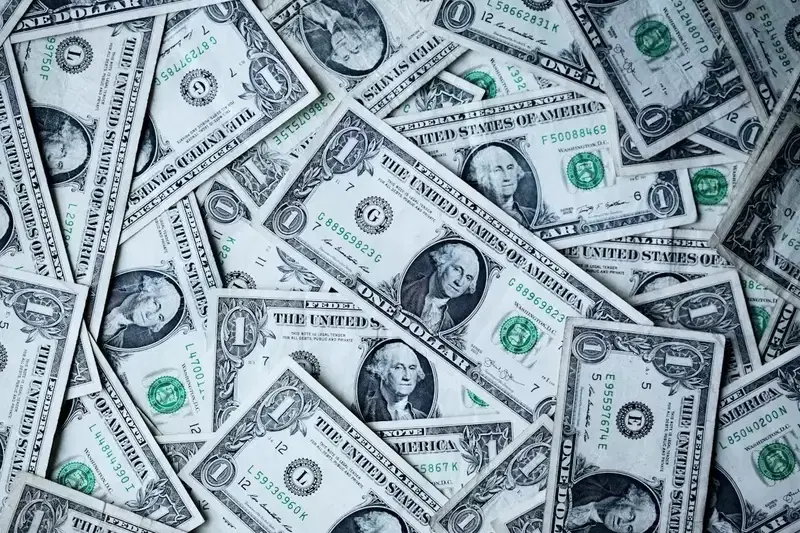
Although the dollar has rebounded, an analysis suggests that it lacks the power to lead Federal Reserve (Fed) Chairman Kevin Warsh's inflation war to victory.
According to investment specialized media MarketWatch on July 29 (local time), the ICE U.S. Dollar Index (DXY) rebounded by 3.2% in 2026 after falling by about 10% in 2025. The dollar index fell to a four-year low in January but rose to a 13-month high by the end of June. Even if a strong dollar has the effect of lowering import prices, it is not enough to achieve the U.S. Federal Reserve's 2% inflation target.
The inflation environment faced by U.S. Federal Reserve Chairman Kevin Warsh is not easy. As conflicts between the U.S. and Iran resumed, international oil prices rose by more than 20% in July. Additional tariffs promoted by U.S. President Donald Trump were also cited as variables that would drive up prices for a wide range of goods, including automobiles and electronics. With rising Treasury yields, the cost of financing for businesses and households also increased.
Brent Schutte, Chief Investment Officer at Northwestern Mutual Wealth Management, saw a low probability of the Fed raising interest rates at this meeting. However, he assessed that there remains a possibility of tightening earlier than expected before inflationary pressures solidify. He stated, “A rising dollar certainly helps on the inflation front,” but expressed uncertainty about whether inflation could be controlled solely through tighter financial conditions.
It was also pointed out that the impact of a strong dollar on U.S. inflation itself has weakened compared to the past. Eric Wallerstein, Chief Macro Strategist at Clocktower Group, explained that imported goods account for a relatively small proportion of U.S. companies' production costs and consumer spending. Increased U.S. energy independence, the shift to a service-oriented economy, and changes in wage-setting structures were also cited as factors that reduced the effect of exchange rates on inflation.
The interests of the White House and the Federal Reserve regarding dollar policy also diverge. Trump favors a weak dollar and pressures for interest rate cuts to reduce the trade deficit and strengthen U.S. manufacturing competitiveness. On the other hand, to stably finance the U.S. national debt, which has exceeded $39 trillion, a strong dollar that attracts demand for Treasury bonds from foreign investors is advantageous. With the dollar's rebound, high oil prices, tariffs, and Treasury yields moving simultaneously, Warsh's response to inflation has become even more complicated.
[Key Article Summary]
-The ICE U.S. Dollar Index fell by approximately 10% in 2025 and then rebounded by 3.2% in 2026.
-The July rise in international oil prices exceeding 20% and the additional tariff risks limited the strong dollar's effect on curbing inflation.
-The U.S.'s service-oriented economy and high energy independence weakened the impact of exchange rate changes on consumer prices.
*Disclaimer: This article is for investment reference only, and we are not responsible for any investment losses based on it. The content should be interpreted for informational purposes only.*
Newsletter
Get key news delivered to your email every morning
to leave a comment.