
to leave a comment.
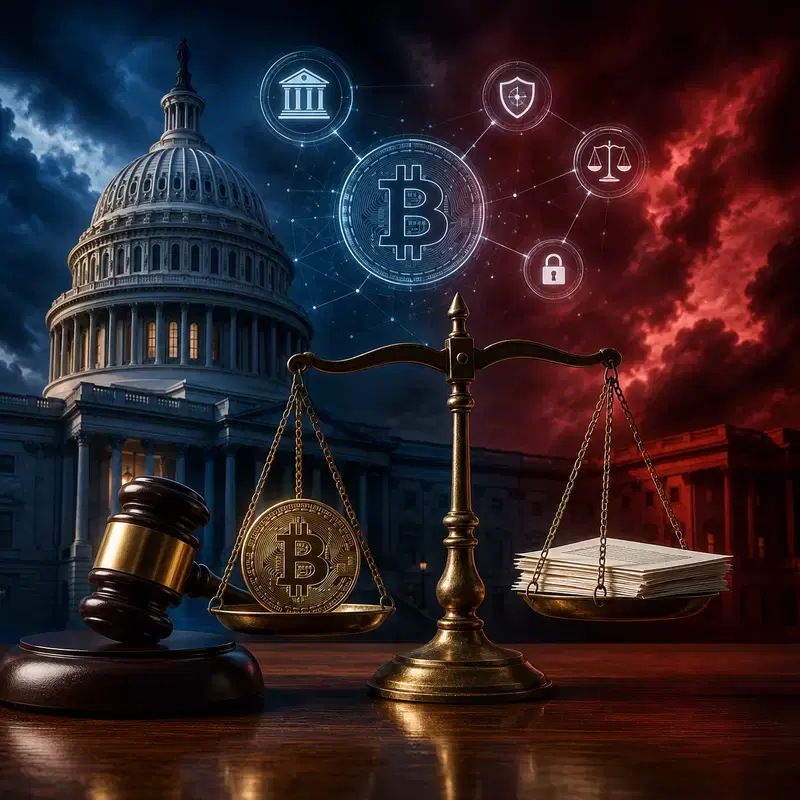
▲ U.S. Congress, Cryptocurrency Regulation/AI Generated Image
Ahead of the processing of the U.S. cryptocurrency market structure bill, the White House and Democrats clashed over the appointment of commissioners to the U.S. Commodity Futures Trading Commission (CFTC) and the U.S. Securities and Exchange Commission (SEC). With even the Senate's plenary session vote schedule not yet confirmed, and ethical clauses and decentralized finance regulations becoming contentious issues, attention is focused on passing the bill before the August 7 recess.
According to CoinGape, a cryptocurrency specialized media outlet, on July 9 (local time), the White House sent letters to Senate Minority Leader John Thune (Republican) and Senate Majority Leader Chuck Schumer (Democrat), refuting claims that the Trump administration was refusing to nominate Democratic-allotted commissioners to independent agencies. The White House stated that it had requested recommendations for suitable Democratic candidates for the CFTC and SEC but had not yet received a list.
The CFTC and SEC are key regulatory bodies responsible for overseeing the industry within the framework of the U.S. cryptocurrency market structure bill. However, it is unconfirmed whether the appointment conflict will affect the bill's passage, and the Senate has not yet set a date for the plenary session vote. With the August 7 recess approaching, the bill's processing schedule is tight.
Democrats and Republicans continue to negotiate key issues, including the bill's ethics provisions. Law enforcement agencies have also raised concerns that provisions related to decentralized finance could make it difficult to crack down on illicit funds. Amid ongoing clashes over the bill's content, Senator Elizabeth Warren criticized the bill, stating it could become a conduit for sanctions evasion.
Pro-crypto Senator Cynthia Lummis directly refuted Warren's claims. Lummis stated, "We all want to hold criminals accountable. The difference is that I am creating solutions, while you are yelling into the void, hoping the existing system will solve the problems itself." She further explained that Section 303 of the bill enables new cryptocurrency sanctions against Iran, and Section 305 allows exchanges to block illicit funds before they reach North Korea.
Lummis previously asserted that the processing of the U.S. cryptocurrency market structure bill is "likely the last chance to establish substantive laws for digital assets before 2030." She said, "If we fail to pass the bill, we will let other countries create digital asset rules, and the United States will be playing catch-up for the next decade." Amid the appointment conflict between the White House and Democrats, the Senate continues negotiations over the bill's ethics and decentralized finance provisions ahead of the August 7 recess.
[Article Summary]
-The White House refuted claims of refusing to appoint Democratic-allotted commissioners to the U.S. Commodity Futures Trading Commission (CFTC) and the U.S. Securities and Exchange Commission (SEC), stating, "We requested recommendations for Democratic candidates but have not received a list."
-The Senate's plenary session vote schedule has not yet been confirmed, and both parties continue negotiations over ethics provisions and decentralized finance regulations.
-Cynthia Lummis emphasized the necessity of passing the bill, stating that Sections 303 and 305 contain measures for sanctions against Iran and blocking illicit funds bound for North Korea.
*Disclaimer: This article is for investment reference only, and we are not responsible for any investment losses based on it. The content should be interpreted for informational purposes only.*
Newsletter
Get key news delivered to your email every morning
to leave a comment.