
to leave a comment.
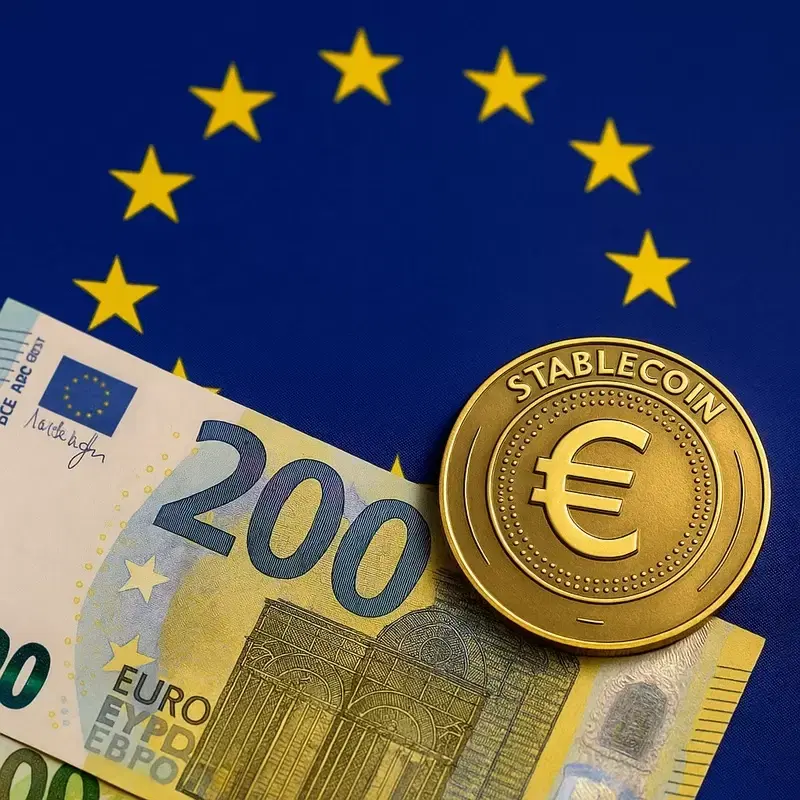
▲ Euro, Stablecoin/ChatGPT Generated Image
The European Central Bank (ECB) has put the brakes on the expansion of euro stablecoins. The ECB warned EU finance ministers that an increase in euro stablecoin issuance could weaken banks' lending capacity and diminish the effectiveness of interest rate decisions.
BeInCrypto reported on May 24 (local time) that the European Central Bank raised financial stability risks regarding discussions on the expansion of euro stablecoins. This warning came after Bruegel, a Brussels-based think tank, proposed easing liquidity requirements for stablecoin issuers and allowing access to central bank funds at a meeting of EU finance officials.
The ECB's core concern is the flow of private deposits from commercial banks to stablecoins. A decrease in bank deposits would reduce financial institutions' lending capacity, tightening the borrowing environment across the eurozone. The ECB believes that as stablecoin adoption spreads beyond its initial user base, the pressure on the banking sector will also increase.
The expansion of private digital currencies also complicates the operation of interest rate policy. ECB officials believe that if savings remain in stablecoins rather than bank accounts, the influence of interest rate decisions will weaken. This is because monetary policy transmission relies on the activity of the deposit-based lending system.
Bruegel viewed the growing dominance of dollar-based tokens in the global cryptocurrency market as a problem. Bruegel argued that strict EU regulations under the Markets in Crypto-Assets (MiCA) law have weakened the competitiveness of European issuers. Bruegel explained the result as a 'digital dollarization' phenomenon, where the dollar's dominance in international finance deepens.
EU officials have separately warned that the growth of dollar stablecoins could weaken the euro's role in cross-border transactions. The ECB's preferred response is not the expansion of private issuance, but a central bank-led digital euro. Christine Lagarde, President of the European Central Bank, has defined the digital euro as a strategic priority for European financial infrastructure.
Moves in the private sector are not stopping. Nine lenders are preparing to launch MiCA-based euro stablecoins in 2026, and EU policymakers have been discussing ways to relax MiCA to enhance the position of European issuers. The ECB's warning squarely reveals the European digital asset regulatory debate, where two pressures—financial stability and countering dollar tokens—collide.
*Disclaimer: This article is for investment reference only, and we are not responsible for any investment losses based on it. This content should be interpreted for informational purposes only.*
Newsletter
Get key news delivered to your email every morning
to leave a comment.