
to leave a comment.
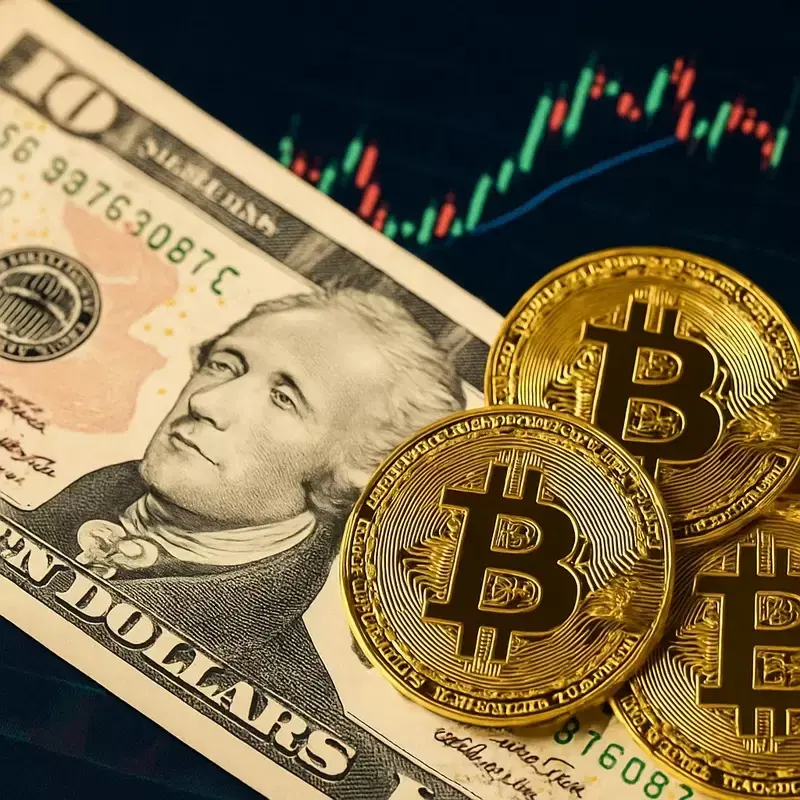
▲ Dollar (USD), Bitcoin (BTC)
The US administration announced a large-scale phase of price stability, overcoming the temporary supply shock caused by geopolitical risks originating from the Middle East. At the same time, the virtual asset market, gripped by short-term fear, is facing a major structural turning point.
Dan Gambardello, host of the cryptocurrency YouTube channel Crypto Capital Venture, intensively analyzed the macroeconomic framework revealed by US Treasury Secretary Scott Bessant during his appearance on national television in a video uploaded on May 21 (local time). Secretary Bessant pointed out that core inflation was already on a downward stabilizing trend before the Middle East conflict intensified, diagnosing the current price increase as merely a temporary supply shock. He publicly declared that after one or two more hot inflation reports, a much stronger and more significant level of disinflation than market expectations would arrive.
The price stability scenario designed by the head of the Treasury Department, combined with the new monetary policy playbook of Federal Reserve Chairman Kevin Warsh, who passed US Senate confirmation, is expected to bring about a massive butterfly effect in the virtual asset market. Chairman Warsh is presenting the 1990s model, which recorded the longest and unprecedented long-term boom in modern US economic history, as a benchmark. At that time, the Federal Reserve achieved complete control over inflation by maximizing productivity through disruptive technological innovations like the spread of computers and the internet, even without indiscriminate money printing.
What Wall Street experts and the blockchain industry are currently paying most attention to is the fact that artificial intelligence has completely replaced the productivity explosion engine that the internet once led. The new Federal Reserve Chairman analyzed that AI technology maximizes companies' operational efficiency and acts as a strong bulwark fundamentally curbing inflationary pressures. This means that a completely new macroeconomic foundation has been laid, allowing the Federal Reserve to stably lower market interest rates without relying on the excessive quantitative easing policies that became entrenched after the 2008 financial crisis.
International oil prices, a key pillar of geopolitical risk, also entered a stabilization phase, sharply falling to around $97 per barrel, stopping their surge that had reached $114 to $120 per barrel, as if mocking the public's fear of all-out war. As US President Donald Trump sends a strong ultimatum to Iran, pressing for peace negotiations, Gulf states such as Saudi Arabia and Qatar, which would suffer immense economic losses if the war were prolonged, are engaging in desperate diplomacy to end the conflict. Such geopolitical resolutions and declining oil price indicators are expected to be fully reflected in official inflation reports with a one-to-two month lag, quickly erasing the inflation fears spread by the media.
Ultimately, virtual asset investors should not make the mistake of getting bogged down in media headlines that change direction weekly, or in the technical 4-year halving cycle theory, but should fully prepare for the possibility of synchronization with macroeconomic cycles. Historically, in financial markets, when Wall Street experts and the public fell into one-sided pessimism and called for interest rate hikes, it was often the precursor to a major market reversal. Once the supply shock from the Middle East is resolved and an AI-driven long-term economic expansion phase is established, the entire virtual asset market, including Bitcoin (BTC), will be completely reshaped, leaving behind the 'ants' who panic-sold due to short-term fear.
*Disclaimer: This article is for investment reference only, and we are not responsible for any investment losses based on it. The content should be interpreted for informational purposes only.*
Newsletter
Get key news delivered to your email every morning
to leave a comment.