
to leave a comment.
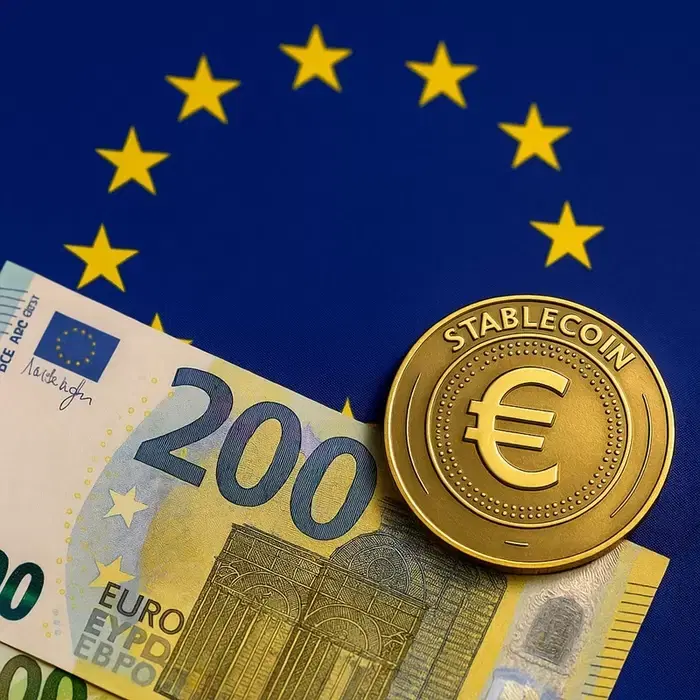
▲ Euro, Stablecoin/ChatGPT generated image ©
Major European banks have converged on a euro-pegged stablecoin project to counter the dominance of US dollar-based stablecoins. With 37 European banks, including BNP Paribas, ING, and UniCredit, participating, analysis suggests that the European financial sector's movement to 'break away from dollar dependence' is gaining momentum.
According to investment media FXStreet on May 20 (local time), Qivalis, an Amsterdam-based financial company in the Netherlands, is pursuing a euro-pegged stablecoin project targeting a launch in the second half of 2026. 37 major European financial institutions, including BNP Paribas, ING, and UniCredit, have expressed their support for this project.
The media reported that the European financial sector is concerned about the excessively growing influence of US dollar-based stablecoins such as Tether's USDT and Circle's USDC. The current stablecoin market size is approximately $320 billion, with most assets being dollar-pegged. Christine Lagarde, President of the European Central Bank (ECB), also expressed concern earlier this month that dollar-denominated stablecoins could further strengthen dollar dominance, the Financial Times (FT) reported.
Jan-Oliver Sell, CEO of Qivalis, explained that securing European financial sovereignty is the core background of this project. He stated that 'it's time for European users to consider alternatives to dollar-based stablecoins' and that they are pursuing expanded cooperation with financial institutions inside and outside Europe. While euro-based stablecoins currently exist, Circle's EURC, based on market capitalization, remains at approximately $443 million, showing a significant gap with USDT and USDC.
Qivalis emphasized that this stablecoin will focus on strengthening areas such as international remittances, atomic settlement, and instant payments, rather than competing with existing payment systems within Europe. Specifically, the strategy is to expand the ecosystem by increasing cooperation with countries in Europe that have high demand for international remittances.
Currently, Qivalis has applied for a license with the Dutch Central Bank (DNB) and plans to launch its service immediately upon approval. The media evaluated that the European financial sector is accelerating the construction of its own digital payment infrastructure to respond to the US dollar-centric stablecoin structure.
*Disclaimer: This article is for investment reference only, and we are not responsible for any investment losses based on it. The content should be interpreted for informational purposes only.*
Newsletter
Get key news delivered to your email every morning
to leave a comment.