
to leave a comment.
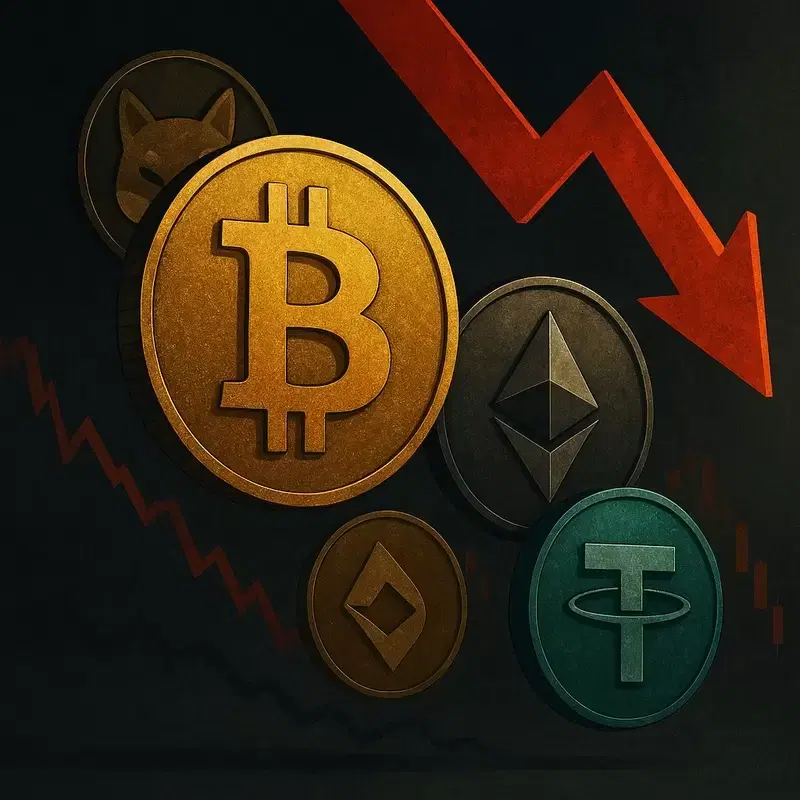
▲ Virtual asset decline/ChatGPT generated image
Bitcoin (BTC) has fallen below $80,000, and market optimism, which had revived after progress in the US cryptocurrency market structure bill, is rapidly cooling. With the latest inflation indicators coming out heavier than expected, analysis suggests that not only Bitcoin but also Ethereum (ETH) and Solana (SOL) could face short-term investment sentiment pressure.
According to NewsBTC on May 15 (local time), Alex Carchidi, a market expert at The Motley Fool, assessed that the April inflation indicators are a burdensome signal for the cryptocurrency market. In the Consumer Price Index (CPI) announced on May 12, prices rose 3.8% year-on-year, and energy prices surged 17.9% due to rising costs amid the US-Iran conflict.
Carchidi viewed this price pressure not as a mere statistical fluctuation but as a reflection of actual supply disruptions. The analysis explained that the disruption of oil transportation through the Strait of Hormuz stimulated a rise in energy prices, which acted as a factor driving overall inflation. The core Consumer Price Index, excluding food and energy, also exceeded expectations at 2.8% year-on-year, increasing market burden.
Carchidi assessed that these figures are generally bearish factors for Bitcoin and the broader cryptocurrency market. However, he noted that the impact could vary by asset. He analyzed that the cryptocurrency market tends to grow by relying on cheap capital, but in the current macroeconomic environment, the likelihood of liquidity supply tightening rather than expanding has increased.
The Federal Reserve (Fed) has maintained the benchmark interest rate at 3.5%-3.75% for three consecutive times, but investors are pricing in approximately a 30% chance of a rate hike by the end of the year. Carchidi viewed that this environment could put a greater burden on Ethereum and Solana than on Bitcoin. This is because Ethereum and Solana are strongly reflected as risk assets in the market, whereas Bitcoin has somewhat secured the narrative of being an inflation hedge asset based on its scarcity.
Carchidi believed that if the energy shock leads to monetary easing in the long term, Bitcoin's scarcity logic could regain strength, but he drew the line, stating that this is not a confirmed forecast but a conditional scenario that needs to be verified by data. On the other hand, it was assessed that Ethereum and Solana, whose value is more significantly influenced by the expansion of network users and capital flowing into the platform, could show a more vulnerable trend to inflation and liquidity pressure in the short term.
*Disclaimer: This article is for investment reference only, and we are not responsible for any investment losses based on it. The content should be interpreted for informational purposes only.*
Newsletter
Get key news delivered to your email every morning
to leave a comment.