
to leave a comment.
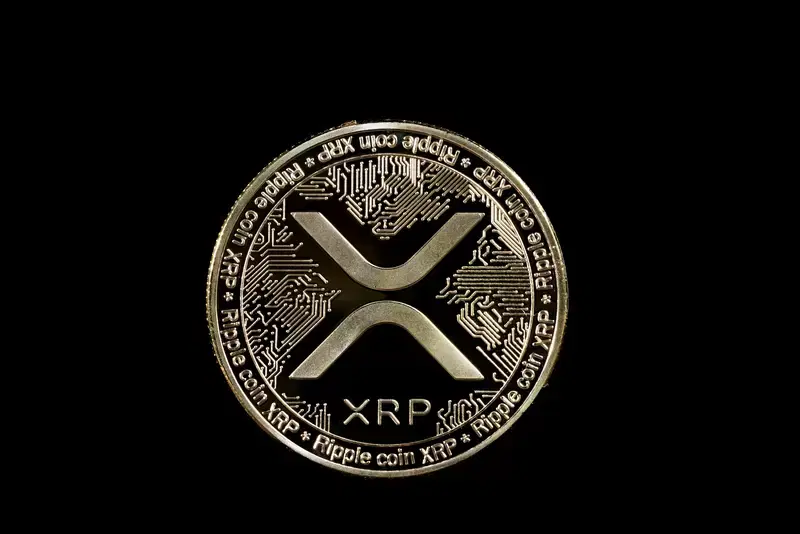
▲ XRP
Claims are spreading in the cryptocurrency community that the U.S. banking sector has moved to curb Ripple's stablecoin RLUSD and XRP. Crypto commentator Pumpius claimed, based on internal messages linked to the American Bankers Association, that major banks are opposing digital asset legislation to prevent stablecoin issuers from expanding their competitiveness.
Bitcoinist reported on May 14 (local time) that the controversy grew after Pumpius shared documents he claimed were related to the American Bankers Association ahead of discussions on digital asset regulation by the U.S. Senate Banking Committee. The documents reportedly contained concerns that some parts of the proposed legislation could give stablecoin issuers more room to actively compete with existing banks for customer funds.
At the heart of the controversy is the expanding influence of regulated stablecoins like Ripple's RLUSD. Stablecoins are designed to be pegged to the value of fiat currencies like the U.S. dollar, and unlike volatile cryptocurrencies, their utility is growing in payments, settlements, and international remittances. Since this area has traditionally been dominated by conventional banks, the banking sector is concerned about deposit outflows and a weakening of control over payment systems.
According to the documents shared by Pumpius, some banking sector groups reportedly expressed the view that stricter safeguards are needed before the legislation progresses. The banking sector's concern is focused not merely on cryptocurrency adoption itself, but on the potential for customer funds to move more easily out of traditional bank accounts through stablecoins.
XRP supporters interpret this as a sign that Ripple's influence has begun to challenge traditional finance. Ripple has been building blockchain payment infrastructure to process international remittances faster and cheaper, and XRP has played a role in Ripple's cross-border liquidity services. With the addition of RLUSD, it is assessed that the Ripple ecosystem can expand its presence in both digital payment networks and the cryptocurrency market.
However, Bitcoinist pointed out that there is little clear evidence that banks are systematically moving to eliminate XRP or RLUSD. The banking sector's concerns are focused on regulated stablecoins potentially attracting deposits and enabling more financial activity outside existing payment networks, and it is difficult to immediately conclude that this is an attempt to target and eliminate specific assets.
This controversy is intertwined with the U.S. cryptocurrency market structure bill and broader discussions on digital asset legislation. If the proposed legislation provides stablecoin issuers with wider operational space, competition between traditional banks and cryptocurrency-based payment networks could become more pronounced. The debate surrounding Ripple and RLUSD demonstrates that the cryptocurrency industry is delving into the realm of bank deposits and payment infrastructure, beyond being merely an investment asset.
*Disclaimer: This article is for investment reference only, and we are not responsible for investment losses based on it. The content should be interpreted for informational purposes only.*
Newsletter
Get key news delivered to your email every morning
to leave a comment.